
Renovate or Relocate: Making The Right Call for Your Home and Life
Renovate or Relocate: Making The Right Call for Your Home and Life
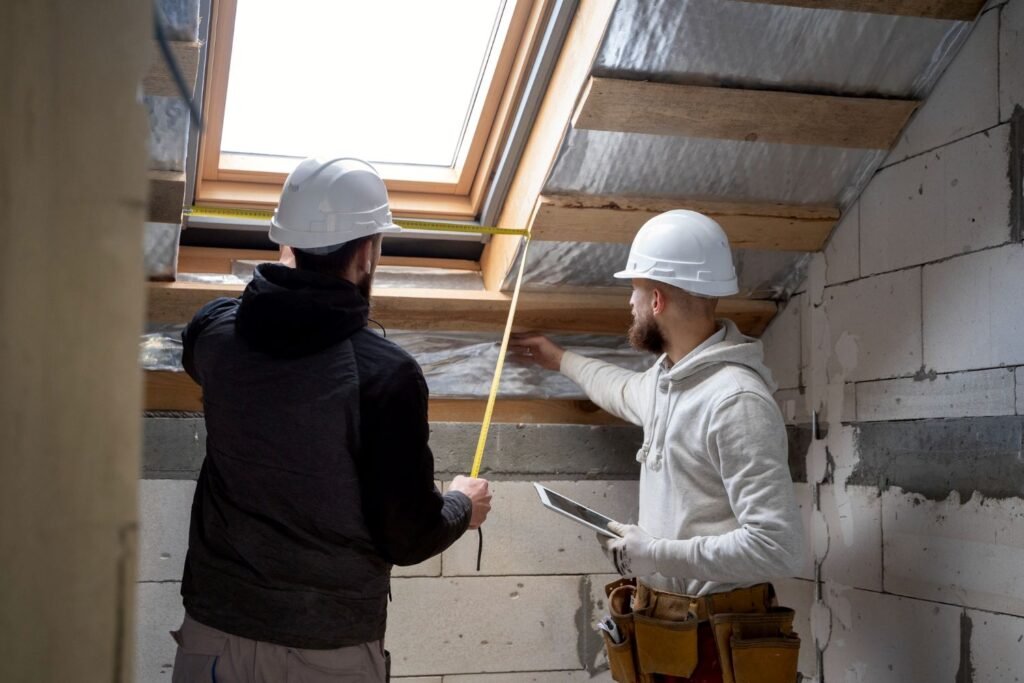
Renovate or Relocate: Making The Right Call
Homeowners often face a crossroads when their house no longer fits their needs: update what they have or start fresh somewhere new. This decision blends financial reality, emotional attachment, and long-term lifestyle goals into one high-stakes choice. Understanding how these factors work together helps turn uncertainty into clarity.
Key Takeaways
● Renovating usually requires less upfront cash than buying a new home, but costs can rise once work begins.
● Moving offers a clean slate, though transaction costs and lifestyle disruption are easy to underestimate.
● Long-term plans and daily quality of life often matter more than short-term savings.
The Financial Reality Behind Each Option
Money often frames the conversation, but it shouldn’t dominate it. Renovation costs vary widely, and unexpected repairs can push budgets higher than planned. Moving introduces its own expenses—agent fees, closing costs, taxes, and possibly higher mortgage payments—that can quietly erode affordability.
It helps to think beyond the initial price tag. Renovating may allow you to keep a favorable mortgage and control spending over time. Moving may deliver value through location, layout, or future appreciation, even if the upfront cost is higher.
Lifestyle Fit and Emotional Weight
Homes carry routines, relationships, and memories. Renovating allows you to preserve your neighborhood, commute, and social ties while adapting the space around you. Moving can feel energizing, opening doors to better schools, different surroundings, or homes designed for modern living.
The key question is flexibility. If your current home can realistically evolve with your needs, staying often feels rewarding. If structural limits or location constraints block meaningful change, relocation may be the healthier option.
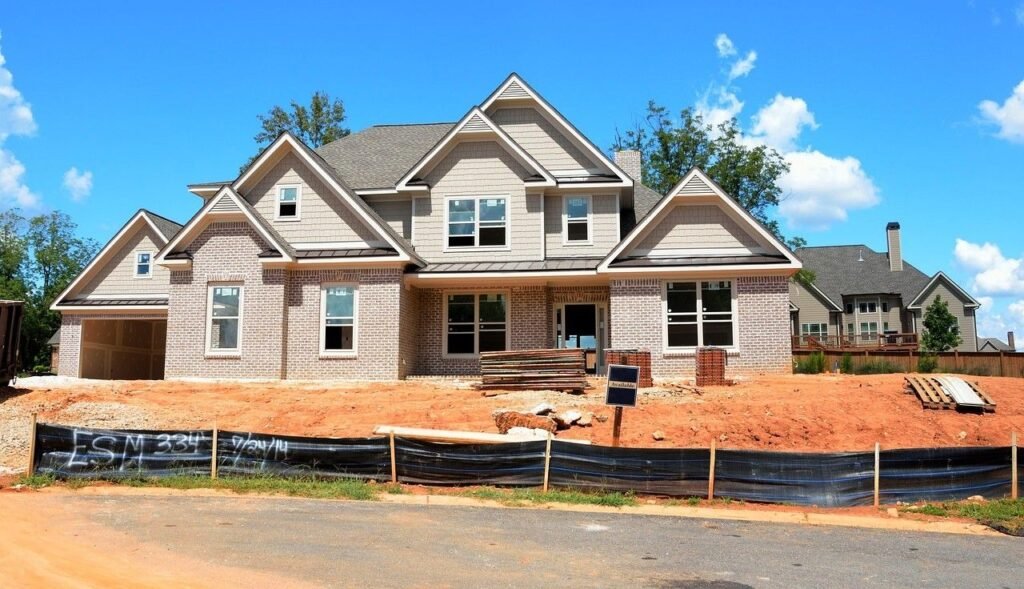
Comparing the Two Paths Side by Side
The table below highlights common differences homeowners encounter.
| Factor | Renovating | Moving |
| Upfront Costs | Often lower and spread out | Higher and concentrated |
| Disruption | Construction-related stress | Relocation and adjustment |
| Customization | Tailored to preferences | Limited to available inventory |
| Long-Term Fit | Depends on structure | Depends on location |
Funding Improvements Without Starting Over
Financing often determines whether renovation is feasible. Some homeowners choose to use a HELOC as a financial planning tool. This approach allows access to your home’s equity without replacing an existing mortgage, which can be helpful if you already have a strong rate. Funds can be drawn gradually for specific projects, potentially at lower interest than many alternatives, and interest may offer tax advantages when used for qualifying improvements. Flexible payments during the draw period can make large upgrades easier to manage. Used carefully, this strategy can improve comfort and value without committing to a full move.
What to Consider Before You Commit
Test your assumptions before committing:
● Decide how long you realistically plan to stay.
● Get renovation estimates with a solid contingency buffer.
● Calculate total moving costs, not just purchase price.
● Identify whether upgrades solve core problems or just delay them.
● Evaluate how each option supports your future lifestyle.

The Long View: Resale and Future Plans
Even if selling feels far off, resale implications matter. Over-improving beyond neighborhood norms can limit returns, while strategic upgrades often enhance both enjoyment and value. Moving may be the better choice if your needs have permanently shifted due to family size, work, or lifestyle changes.
The goal is alignment. A home should support where your life is headed, not anchor you to where it used to be.
Homeowner FAQs
Before making a final call, homeowners often look for clarity on these questions.
Is renovating always cheaper than moving?
Not always, but it often is in the short term. Major structural changes or additions can rival the cost of moving, especially if surprises emerge mid-project. Comparing full project costs to total relocation expenses is essential.
How do I know if my home is worth renovating?
Look at structural limits, neighborhood values, and zoning rules. If improvements align with local market expectations and solve core issues, renovation makes sense. If not, moving may offer better long-term satisfaction.
Will renovations increase my home’s value enough?
Some projects boost value more reliably than others. Kitchens, bathrooms, and energy efficiency upgrades tend to perform well. Personalized or niche changes may improve livability without matching resale returns.
What if I’m emotionally attached but financially unsure?
Acknowledge the attachment, then run the numbers honestly. Emotional value matters, but financial strain can sour even a beloved home. Blending modest renovations with clear budgets can balance both sides.
How disruptive is renovating compared to moving?
Renovations bring noise, dust, and temporary inconvenience. Moving compresses disruption into a shorter, more intense window but resets daily life completely. Tolerance for each type of stress varies by household.
When does moving make more sense than fixing?
Moving tends to win when location, layout, or size no longer fit your life. If multiple major changes are needed at once, starting fresh can be simpler. The key is recognizing when adaptation becomes avoidance.
Conclusion: Bringing It All Together
Choosing between renovating and moving is about aligning your home with your life. Renovation favors continuity and personalization, while moving emphasizes change and opportunity. By weighing finances, lifestyle fit, and long-term goals together, homeowners can make a decision that feels both practical and personal.
Renovate or Relocate: Making The Right Call for Your Home and Life | OutFactors – Dallas Fort Worth, TX