Maximizing Durability: How to Choose the Right Tiles for High-Traffic Areas
Maximizing Durability: How to Choose the Right Tiles for High-Traffic Areas
30 Seconds Summary
- To maximize durability in high-traffic areas, choose tiles with strong wear resistance, low water absorption, and a slip-resistant finish.
- Porcelain is often the best option because it is dense, durable, and easy to maintain. Check the tile’s PEI rating and select Grade 4 or 5 for busy spaces such as hallways, kitchens, and commercial areas.
- Also consider darker colors, patterns, and textured surfaces, which help hide dirt and scratches. Proper installation, quality grout, and regular cleaning will further extend the life of the tiles.
High-traffic areas demand more from flooring than ordinary rooms. Entryways, hallways, kitchens, retail stores, offices, restaurants, schools, and other busy environments experience constant footfall, dirt, moisture, spills, dragging furniture, and repeated cleaning. A tile that looks impressive in a showroom may quickly lose its appeal if it is not designed to withstand these conditions. Choosing the right tile is therefore not simply a design decision; it is an investment in safety, performance, maintenance, and long-term value.
The best tiles for busy spaces combine strength, slip resistance, stain resistance, and visual versatility. They must withstand everyday wear while supporting the property’s overall style. With careful planning and guidance from a trusted supplier such as Brickstone Tile, homeowners, designers, contractors, and business owners can select surfaces that remain attractive and dependable for years.
Why Durability Matters in High-Traffic Areas
Every floor is exposed to wear, but high-traffic areas experience concentrated stress. Sand and grit can act like abrasive material under shoes. Water and food spills may penetrate porous surfaces. Heavy equipment, shopping carts, office chairs, and furniture can create scratches, chips, or pressure damage. Commercial flooring may also need to withstand long operating hours and frequent maintenance.
When tiles are chosen only for appearance, the result can be premature fading, cracked surfaces, worn finishes, loose grout, or slippery areas. Replacing a failed floor is usually more expensive and disruptive than installing an appropriate material from the beginning. Durable tile reduces the need for repairs, helps preserve your home value, and supports a cleaner, more professional environment.
Assess the Level and Type of Traffic
The first step is to understand how the area will be used. “High traffic” can mean different things in different settings. A family kitchen may experience constant movement, dropped utensils, grease, and water. A hotel lobby may face rolling luggage, outdoor dirt, and hundreds of visitors each day. A retail store may need flooring that supports shopping carts, displays, and frequent layout changes.
Consider the number of users, the type of footwear, the likelihood of moisture, the weight of furniture or equipment, and the planned cleaning methods. Residential spaces usually require less industrial strength than transportation hubs or large commercial buildings, but they still benefit from properly rated tile.
Traffic patterns also matter. A room may be large, yet most movement may occur along a narrow route. Doorways, service counters, workstations, and paths between fixtures often receive the greatest wear. Selecting a durable tile throughout the space creates consistency and avoids the need to replace isolated sections later.
Understand Tile Hardness and Wear Ratings
Tile ratings help determine whether a product is suitable for a particular application. One commonly referenced system is the Porcelain Enamel Institute, or PEI, rating, which evaluates the resistance of glazed tile surfaces to abrasion.
Tiles with lower ratings are generally intended for walls or very light residential use. Mid-range ratings may suit bathrooms, bedrooms, and standard living spaces. For heavily used residential areas, investment properties, and many commercial applications, higher-rated tiles are usually a better choice because they are designed to resist visible wear caused by repeated foot traffic.
PEI ratings are most relevant to glazed ceramic and porcelain tiles. They do not measure every aspect of performance, so they should be reviewed alongside water absorption, breaking strength, slip resistance, and chemical resistance. Brickstone Tile can help customers interpret product specifications and compare options based on each project’s demands.
Choose Porcelain for Exceptional Performance
Porcelain tile is one of the strongest choices for high-traffic areas. It is manufactured from refined clay and fired at high temperatures, creating a dense, hard surface with low water absorption. This makes porcelain resistant to moisture, stains, scratches, and general wear.
Because it absorbs very little water, porcelain performs well in kitchens, bathrooms, mudrooms, entryways, restaurants, and many outdoor or transitional areas. It is also available in styles that reproduce natural stone, wood, concrete, and other materials. Residential rental property owners can achieve a premium aesthetic without accepting the maintenance requirements of some natural surfaces.
Through-body and color-body porcelain can be especially useful in demanding settings. If a minor chip occurs, the color beneath the surface may be less noticeable than on a tile with a contrasting body. This helps floors retain a consistent appearance.
Porcelain is harder to cut than standard ceramic tile, so professional installation is often recommended. A well-installed porcelain floor, supported by the correct substrate and adhesive, can deliver outstanding long-term performance and help sell your home.
Consider Commercial-Grade Ceramic Tile
Ceramic tile can also be practical when properly rated for the intended use. It is generally fired at lower temperatures than porcelain, which may make it more porous and less dense. However, high-quality commercial-grade ceramic tile can perform well in busy residential and light commercial spaces.
Ceramic tile is available in many colors, patterns, and sizes. It may be more affordable and easier to cut during installation. For projects with controlled indoor conditions and moderate traffic, a durable glazed ceramic tile can provide a strong balance of value and design flexibility.
The key is not to assume that all ceramic tiles are suitable for floors. Some are designed only for walls or decorative applications. Always review the manufacturer’s use recommendations, abrasion rating, and water absorption data.
Evaluate Natural Stone Carefully
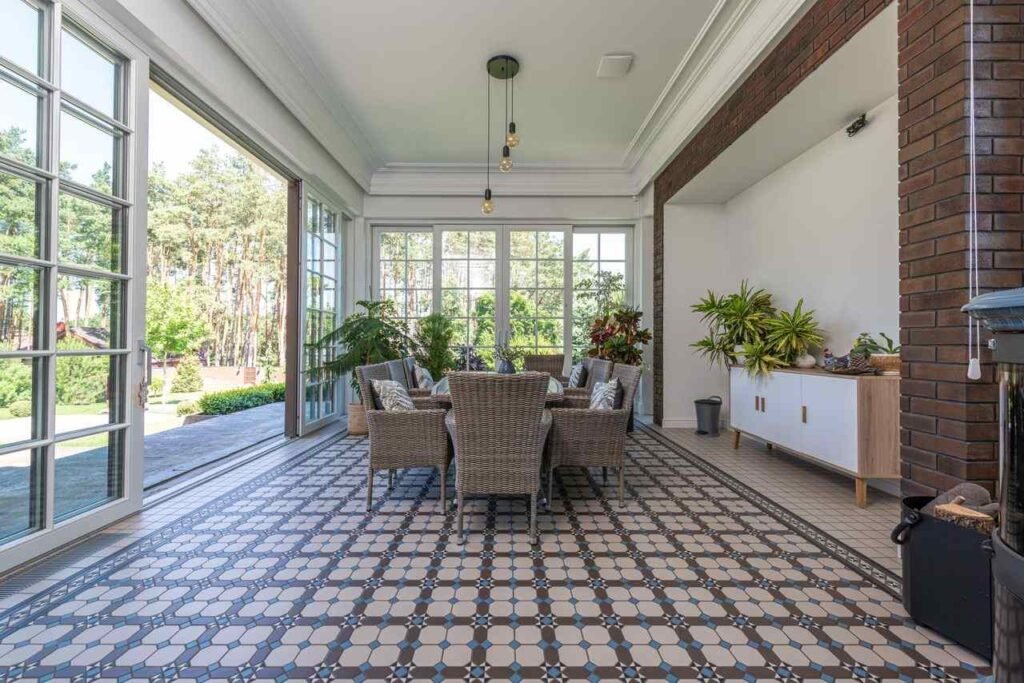
Natural stone creates a distinctive, luxurious appearance, but durability and maintenance vary significantly by material. Granite, slate, quartzite, limestone, marble, and travertine each have different levels of hardness, porosity, and stain resistance.
Granite and quartzite are generally strong options for busy spaces because they resist scratching and impact better than many softer stones. Slate can also perform well when properly selected and installed. Marble, limestone, and travertine are elegant, but they may be more vulnerable to etching, scratching, or staining, especially around acidic liquids and moisture.
Most natural stone requires sealing and varies from piece to piece. For a more consistent appearance and simpler care, stone-look porcelain can be a practical alternative.
Prioritize Slip Resistance
A durable floor must also be safe. Busy areas often experience moisture from rain, cleaning, food preparation, or spills. A highly polished surface may look sophisticated but become slippery when wet.
Slip resistance is commonly evaluated through measurements such as the dynamic coefficient of friction. Products intended for wet or commercial areas should meet the relevant safety requirements. However, test values should not be considered alone. Floor slope, footwear, cleaning products, and the presence of grease or water can affect real-world performance.
Textured, matte, honed, or structured finishes usually provide better traction than highly polished finishes. Smaller tiles can also improve grip because additional grout joints create more surface texture. In kitchens, bathrooms, pool areas, entrances, and commercial facilities, slip resistance should be treated as a primary selection criterion.
Extremely rough surfaces, however, may trap dirt and require intensive cleaning. The ideal tile provides enough texture for safety without becoming difficult to maintain.
Review Water Absorption and Porosity
Water absorption is a major indicator of tile performance. Porous materials can absorb moisture, leading to staining, mold concerns, freeze-thaw damage, or a weakened installation. Dense tiles are generally better suited to wet or frequently cleaned environments.
Porcelain’s low water absorption makes it reliable for moisture-prone areas. Glazed ceramic can also resist surface water, although its body may be more absorbent. Natural stone varies widely and may require sealing.
For outdoor installations or spaces subject to temperature changes, frost resistance is essential. Moisture absorbed into a tile can expand when frozen, causing cracks or surface damage. Always verify that the product is approved for exterior use and the local climate.
Select the Right Finish
A tile’s finish influences durability, safety, and maintenance. Matte finishes tend to hide scratches, dust, and water marks better than polished surfaces. They also provide an understated appearance and often offer improved traction. For family homes, restaurants, offices, and retail environments, matte porcelain can be an excellent choice.
Polished tiles reflect light and can make a space feel larger and more luxurious. However, they may show scratches, footprints, and smudges more easily. They can also require frequent cleaning and may be unsuitable for wet areas.
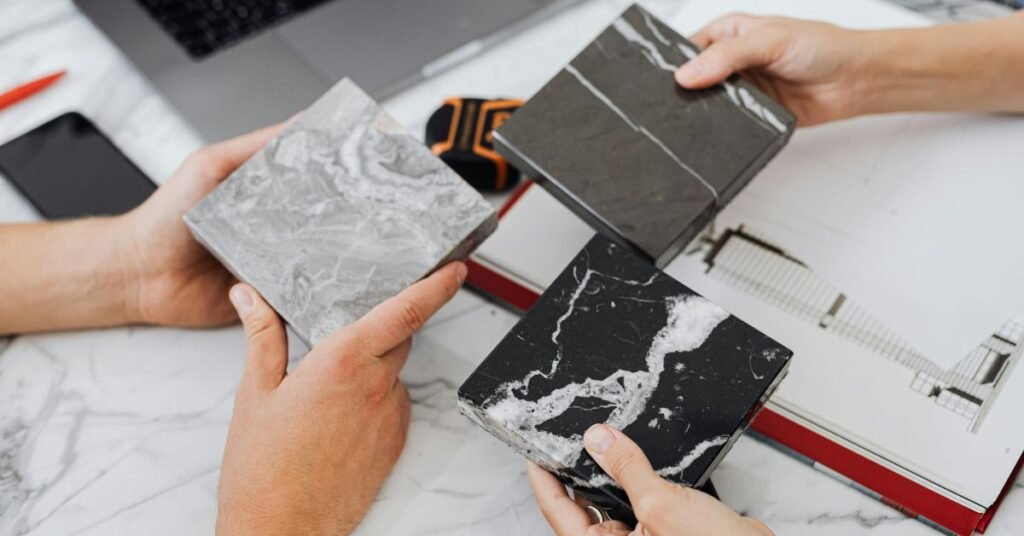
Textured finishes add character and slip resistance, but deep textures may collect dirt. Honed finishes provide a smooth, low-sheen appearance, though some materials may need sealing. Samples should be viewed under the actual lighting conditions whenever possible.
Think About Tile Size
Large-format tiles create a clean, modern appearance with fewer grout lines. They can make compact spaces feel more open and simplify routine cleaning. However, large tiles require a very flat substrate. If the floor is uneven, edges may sit at different heights, creating lippage and potential damage.
Smaller tiles follow slopes and curves more easily, making them useful in shower floors, drainage areas, and irregular spaces. Their additional grout lines can also improve traction. In high-traffic settings, tile dimensions should be coordinated with the layout, movement patterns, and structural conditions.
Do Not Overlook Grout
Even the strongest tile can be undermined by poor grout selection. Grout joints absorb movement, connect the layout, and help protect the installation from moisture and debris. In high-traffic areas, grout must resist staining, cracking, and repeated cleaning.
Cement-based grout can perform well when properly mixed, installed, and sealed. High-performance cement grout offers improved color consistency and stain resistance. Epoxy grout is highly resistant to moisture, chemicals, and stains, making it suitable for commercial kitchens, healthcare facilities, and food service environments.
Grout color affects maintenance. Very light grout may show dirt quickly, while very dark grout may reveal mineral deposits or cleaning residue. A mid-tone color that coordinates with the tile often provides the most practical appearance.
Focus on Installation Quality
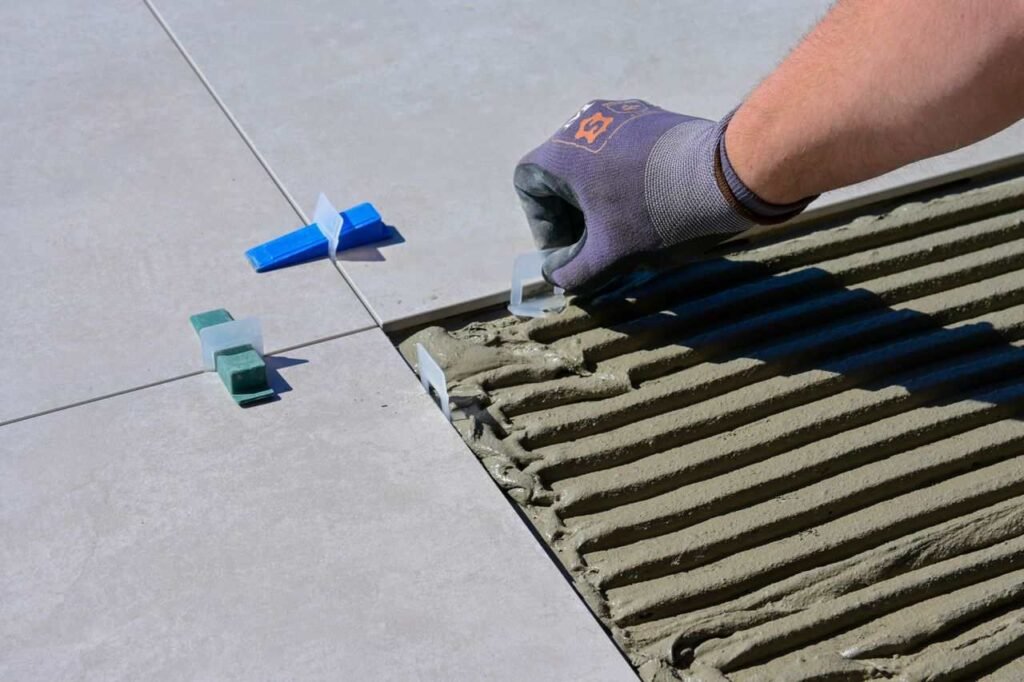
Durability depends as much on installation as it does on the tile. A high-performance product installed over an unstable or uneven substrate may crack, loosen, or develop hollow areas. Before installation, the surface should be clean, flat, structurally sound, and suitable for the selected system.
Movement joints are essential in large areas and spaces exposed to sunlight or temperature changes. They allow the installation to expand and contract without transferring stress into the tile. Skipping them can lead to tenting, cracking, or separation.
Adhesives, mortars, membranes, and underlayments should be selected according to the tile, substrate, location, and environmental conditions. Large-format tile may require specialized mortar and techniques for proper coverage. Wet areas need effective waterproofing, while some concrete surfaces may benefit from crack-isolation membranes.
Professional installation is especially valuable in commercial projects, complex layouts, and large spaces. Experienced installers understand substrate preparation, layout planning, joint consistency, and product requirements.
Balance Style With Long-Term Practicality
Durability does not require sacrificing design. Modern tile collections offer an extensive range of colors, textures, patterns, and formats. Wood-look porcelain creates warmth while resisting scratches and moisture. Stone-look tile provides visual depth with more predictable maintenance. Concrete-look surfaces suit contemporary interiors, while patterned tiles can define entrances or feature zones.
In heavily used spaces, medium tones and subtle patterns often hide dust and minor marks better than very dark, very light, or completely uniform surfaces. Tiles with slight shade variation can also disguise everyday wear. It is important to review several pieces rather than relying on a single sample.
Design continuity can be achieved by using related tiles with different finishes. A smooth matte tile may be used in the main interior, while a textured version is installed near entrances or wet areas. This maintains a consistent palette while improving safety.
Brickstone Tile can help customers compare styles that meet both aesthetic goals and technical requirements, ensuring the final design remains attractive under real-world conditions.
Plan for Cleaning and Maintenance
The most durable tile can lose its appeal if cleaned incorrectly. High-traffic floors should be swept or vacuumed regularly to remove abrasive dirt. Entrance mats can capture moisture and grit before they spread across the floor. Spills should be cleaned promptly, especially on grout or natural stone.
Use products recommended for the tile and grout type. Harsh acids, strong alkaline chemicals, waxes, and abrasive tools can damage finishes or leave residue. Porcelain and ceramic are generally easy to maintain with a neutral cleaner and clean water. Natural stone requires suitable products and periodic sealing.
In commercial spaces, a maintenance schedule supports consistent results. Staff should know which products, machines, and pads are approved. Excess detergent should be avoided because residue can attract dirt and reduce slip resistance.
Consider Life-Cycle Cost
The lowest-priced tile is not always the most economical. Initial cost should be weighed against expected lifespan, installation requirements, maintenance and repair risks, and replacement disruption. A more durable tile may cost more initially but provide better value over many years.
Ordering extra tiles is wise. Spare pieces can be stored for future repairs and are more likely to match the original production batch than tile purchased years later. The appropriate coverage depends on room shape, pattern, tile size, and installation complexity.
Common Mistakes to Avoid
A common mistake is choosing tile based only on appearance. A beautiful wall tile may not have the strength or abrasion resistance required for a floor. Another is installing polished tile in wet, heavily used areas without evaluating slip resistance.
Ignoring the substrate is equally risky. The tile is rigid, and movement beneath it can cause failure. Poor mortar coverage, incorrect adhesives, missing movement joints, and rushed curing times can reduce durability.
Customers may also underestimate maintenance. Natural stone and light grout can perform well, but they require the right care. Selecting a surface that matches the available maintenance resources is essential.
A Practical Selection Checklist
Before choosing tile, confirm that the product is approved for floor use and suitable for the expected traffic. Review abrasion resistance, water absorption, slip resistance, stain resistance, chemical resistance, and exterior ratings where relevant. Consider finish, texture, size, grout, and substrate requirements.
Request samples and evaluate them in the actual space. Observe how they look in natural and artificial light and how easily they show dust, footprints, or water spots. Think about cleaning requirements and whether the texture is practical.
Most importantly, treat the installation as a complete system. Tile, grout, mortar, membranes, movement joints, and workmanship must support the same performance goals.
Choose With Confidence at Brickstone Tile
High-traffic flooring must handle constant use without losing its beauty or integrity. Porcelain is often the leading choice because of its density, low water absorption, and broad design range, while commercial-grade ceramic and selected natural stones can also perform effectively in suitable conditions. Slip resistance, finish, grout, installation quality, and maintenance are just as important as the tile material.
By assessing the space’s demands and reviewing technical specifications before purchasing, property owners can avoid premature wear and costly replacements. The right tile should look appropriate on installation day and continue performing after years of footsteps, spills, cleaning, and everyday activity.
Brickstone Tile offers a valuable starting point for customers seeking durable, stylish tile solutions for residential and commercial projects. With thoughtful product selection and proper installation, even the busiest areas can achieve a floor that is safe, practical, visually appealing, and built to last.
Conclusion: Balance Appearance with Everyday Practicality
Choosing the right tiles for high-traffic areas requires more than selecting an attractive design. Durability, slip resistance, water absorption, surface finish, grout quality, and professional installation all play an important role in determining how well a tiled surface performs over time. Porcelain is often an excellent choice for busy residential and commercial spaces because of its strength, low maintenance requirements, and wide range of styles. However, properly rated ceramic tiles and carefully selected natural stone can also provide dependable results.
The most successful flooring projects balance appearance with everyday practicality. Considering foot traffic, moisture, cleaning demands, and the weight of furniture or equipment helps prevent premature wear, cracks, stains, and costly replacements. Investing in high-quality materials and correct installation can produce a floor that remains safe, functional, and visually appealing for many years
Maximizing Durability: How to Choose the Right Tiles for High-Traffic Areas | OutFactors – Dallas Fort Worth, TX