How to Build a Home Gym That Adds Property Value
How to Build a Home Gym That Adds Property Value

A Home Gym for Personal Health and Potential Financial Gain
In today’s fast-paced world, the convenience of having a fitness space at home is more appealing than ever. With the rise in health consciousness, creating a home gym not only caters to your well-being but also enhances your property’s allure and value. As you embark on the journey of building a home gym, consider the dual benefits: personal health improvements and potential financial gains.
Real estate trends indicate that homes with dedicated exercise areas are increasingly sought after. Homebuyers are willing to pay a premium for properties that feature well-designed, functional spaces dedicated to fitness. This shift highlights an opportunity to transform an underutilized area of your home into a gym, thus boosting its market value. A dedicated workout space can also support individuals managing health conditions such as polycystic ovary syndrome, where regular physical activity is often an important part of overall wellness.
To ensure your home gym adds significant value, it’s crucial to focus on thoughtful planning and execution. This involves selecting the right space, choosing appropriate equipment, and designing a layout that is both functional and visually appealing. A well-crafted home gym can indeed be a win-win, benefiting both your lifestyle and your property’s market potential.
Benefits of Having a Home Gym
Creating a home gym offers numerous advantages that extend beyond the financial realm. Firstly, it provides unparalleled convenience, allowing you to exercise on your schedule without the need to commute. This flexibility can lead to more consistent workout routines, which are essential for maintaining a healthy lifestyle and may also complement overall wellness goals alongside treatments such as PRP hair treatment.
Moreover, a home gym offers privacy and comfort, enabling you to work out in a personalized environment tailored to your preferences. You have control over everything from the temperature to the music, creating a space that motivates and inspires you to reach your fitness goals. The personalization aspect can’t be overstated, as it significantly enhances your workout experience.
In addition to these personal benefits, having a home gym can contribute to reducing long-term expenses. By eliminating gym membership fees and commute costs, you can save money over time. Pairing your workouts with proper nutrition, including supplements such as Gold Standard Whey Protein, can further support your fitness goals and recovery. This financial benefit, coupled with the potential increase in property value, makes investing in a home gym a practical decision for both short-term enjoyment and long-term financial health.
Assessing Your Space for a Home Gym
Before diving into the design and equipment selection, it’s essential to evaluate the available space in your home. Consider areas like basements, garages, or spare rooms that can be repurposed. Assess the size and shape of the space to determine the type and amount of equipment you can accommodate.
Once you’ve identified a potential area, measure it carefully and consider any structural changes that might be necessary. For instance, you may need to reinforce flooring to support heavy equipment or install mirrors for better visibility during workouts. Additionally, ensure that the space has adequate ventilation and lighting to create a comfortable exercise environment.
Another crucial aspect is accessibility. The gym should be easily reachable from other parts of the house, encouraging regular use. Also, consider the proximity to bathrooms for convenience. By thoroughly assessing your space, you can create a gym that is both functional and enjoyable, enhancing the desirability to potential home buyers.
Essential Equipment for Your Home Gym
Selecting the right equipment is fundamental to building a home gym that suits your fitness needs and enhances property value. Start by listing your fitness goals, as these will guide your equipment choices. For strength training, consider investing in dumbbells, kettlebells, and a bench. A multi-functional cable machine can also be a versatile addition.
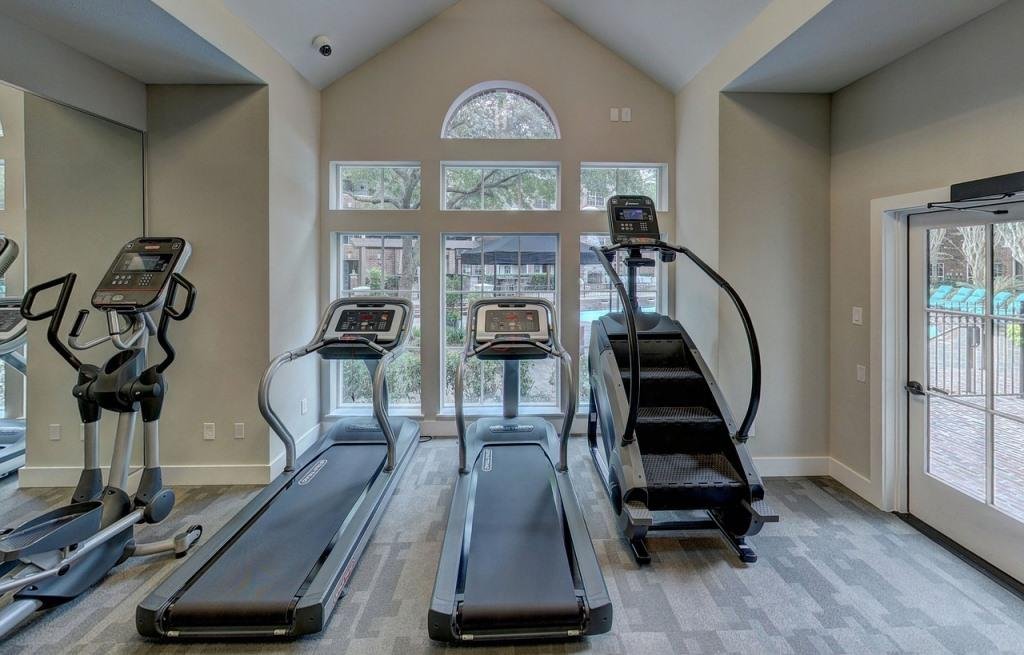
Cardio enthusiasts might opt for a treadmill, stationary bike, or rowing machine. These pieces are popular for their effectiveness and ability to provide a comprehensive workout. If space permits, consider a combination of equipment to accommodate various types of exercises, ensuring a well-rounded fitness routine.
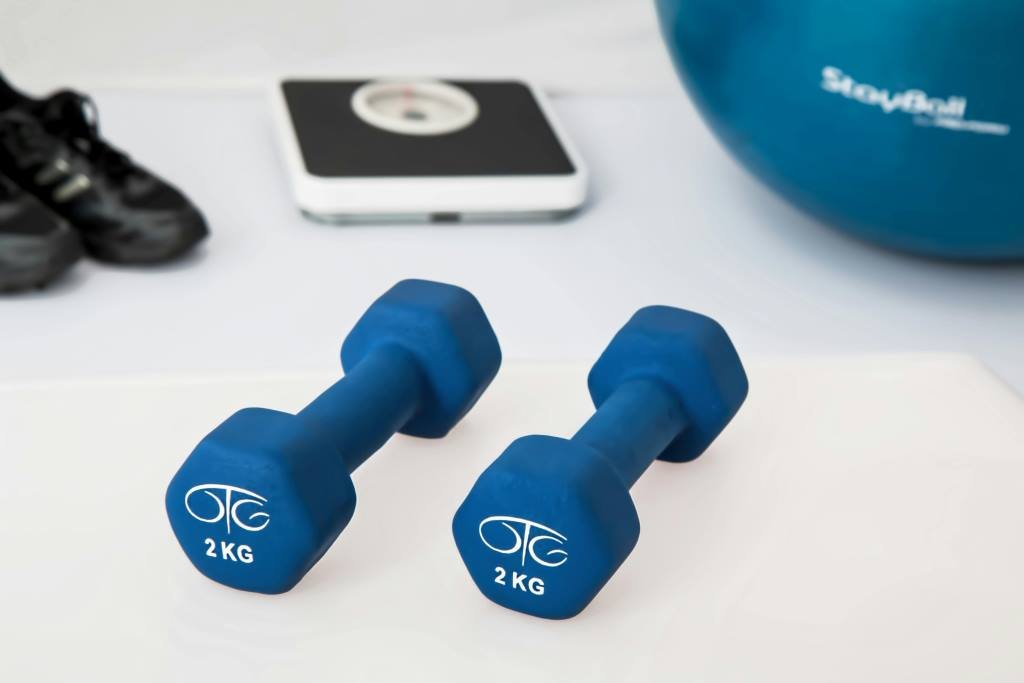
Don’t overlook smaller items that can significantly enhance your workouts, such as resistance bands, yoga mats, and foam rollers. These accessories are affordable and require minimal space, yet they add versatility to your fitness regimen. By carefully selecting essential equipment, you can create a personalized gym that meets your needs and enhances your property’s appeal to residential property investors.
Designing Your Home Gym: Layout and Aesthetics
The layout and aesthetics of your home gym play a crucial role in its functionality and appeal. A well-designed gym not only facilitates effective workouts but also enhances the overall ambiance of your home. Begin by planning the layout, ensuring that there is enough space between equipment for safe and comfortable use.
Consider using zones within the gym to separate different types of workouts. For example, designate one area for cardio machines, another for weightlifting, and a third for stretching or yoga. This zoning helps in organizing the space and makes the gym more user-friendly.
Aesthetics are equally important. Choose a color scheme that motivates and energizes you. Incorporate elements like mirrors to create the illusion of more space and artwork or motivational posters for inspiration. By combining functionality with aesthetics, you can design a home gym that not only meets your fitness needs but also boosts your home’s value.
Choosing the Right Flooring and Lighting
Flooring and lighting are critical components of a home gym that can significantly impact both usability and aesthetics. When selecting flooring, consider materials that provide durability, safety, and comfort. Rubber flooring is a popular choice due to its ability to absorb impact and noise, making it ideal for high-intensity workouts.
For those seeking a more luxurious look, foam tiles or cork flooring offer comfort and a polished finish. Ensure that the flooring is easy to clean and maintain, as this will contribute to the longevity and appeal of your gym. Investing in quality flooring enhances both the function and appearance of your exercise space.
Lighting sets the mood of your home gym and affects your performance. Natural light is ideal, so choose a space with windows if possible. For artificial lighting, opt for bright, adjustable LED lights that can mimic daylight. This type of lighting not only improves visibility but also boosts energy levels. Proper flooring and lighting choices are key to creating an inviting and effective workout environment.
How a Home Gym Increases Property Value
A well-designed home gym can significantly increase your property’s market value, making it an attractive feature for potential buyers. As fitness and wellness continue to gain importance, having a dedicated exercise space is becoming a desirable amenity. This trend is especially prevalent in urban areas where access to gyms may be limited.
The key to maximizing value is ensuring that the gym is versatile and appealing to a broad range of buyers. Consider incorporating elements that can easily adapt to different fitness preferences. A space equipped for both cardio and strength training will likely attract more interest than a single-purpose gym.
Additionally, the best real estate sales teams understand that a home gym can enhance your property’s appeal by showcasing modern, health-conscious living. When potential buyers see a well-maintained, thoughtfully designed gym, it creates an impression of a home that supports a balanced lifestyle. This perception can lead to higher offers, making your investment in a home gym a strategic decision.
Tips for Maintaining Your Home Gym
To keep your home gym in top condition, regular maintenance is essential. Start by establishing a cleaning routine that includes wiping down equipment after each use to prevent the buildup of sweat and dust. This practice not only ensures a hygienic environment but also prolongs the life of your equipment.
Periodic equipment checks are vital to identify any signs of wear and tear. Tighten loose bolts, lubricate moving parts, and replace worn-out components promptly. Keeping a maintenance log can help you track these tasks and ensure nothing is overlooked.
In addition to equipment upkeep, maintaining the overall gym environment is crucial. Ensure that the space is well-ventilated to prevent odors and moisture build-up. Regularly inspect flooring and lighting for any issues that might arise. By taking a proactive approach to maintenance, you ensure that your home gym remains a valuable and appealing feature of your property.
Popular Trends in Home Gym Design
Keeping up with current trends can help you design a home gym that is both modern and functional. One popular trend is the integration of technology, such as interactive fitness mirrors or smart equipment that connects to apps for personalized workouts. These innovations enhance the workout experience and add a contemporary touch to your space.
Another trend is the emphasis on multi-functional spaces. As homes become more compact, the ability to use a room for multiple purposes is increasingly valuable. Consider designing your gym to double as a home office or relaxation area when not in use. This adaptability can appeal to potential buyers looking for dynamic living spaces.
Sustainability is also gaining traction in home gym design. Eco-friendly materials like bamboo flooring and energy-efficient lighting are appealing to environmentally conscious buyers. By incorporating these trends, you create a gym that not only meets your needs but also aligns with broader lifestyle shifts, enhancing its value and appeal.
Conclusion: Investing in Your Health and Your Home
Investing in a home gym is an investment in both your personal health and the value of your property. A thoughtfully designed exercise space offers convenience, privacy, and cost savings, making it a worthwhile addition to any home. By enhancing your property with a home gym, you cater to the growing demand for wellness-oriented living spaces, potentially increasing market value.
Maximizing Durability: How to Choose the Right Tiles for High-Traffic Areas | OutFactors – Dallas Fort Worth, TX