

How to Secure Your Property with Hidden Cameras
How to Secure Your Property with Hidden Cameras
Property Security and Modern Surveillance Technology
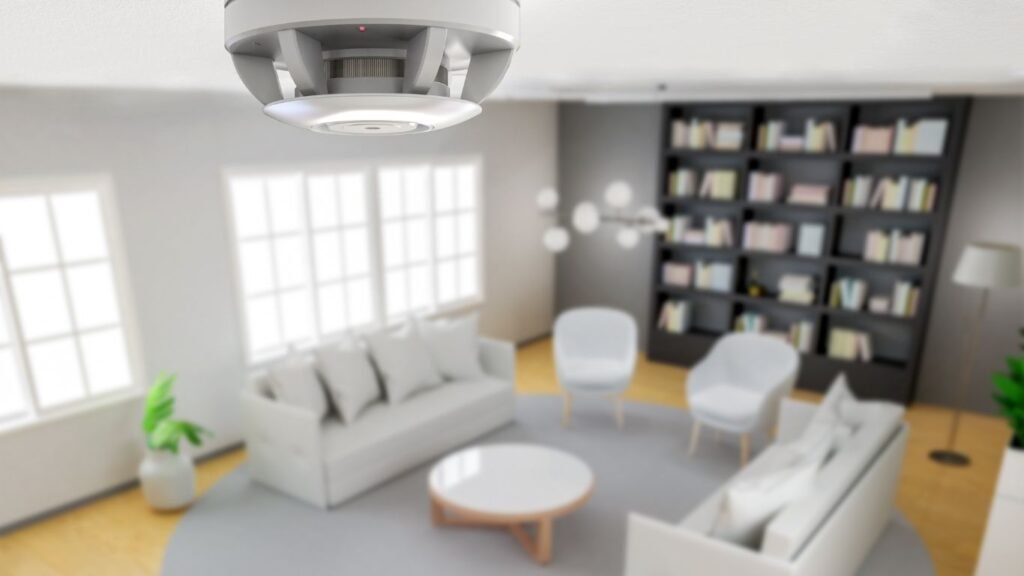
Property security has become an important concern for homeowners, business owners, landlords, and property managers. With increasing concerns about theft, unauthorized access, vandalism, and personal safety, people are exploring modern surveillance technologies to protect their homes and commercial spaces. When used responsibly and legally, hidden cameras can be part of a comprehensive security system by providing discreet monitoring in areas where traditional security cameras may not be practical.
Modern surveillance technology offers features such as high-definition video recording, motion detection, night vision, remote monitoring, and cloud storage. Some systems also support audio surveillance, allowing users to capture sound in addition to video where legally permitted and with appropriate consent.
However, effective property protection involves more than simply installing cameras. It requires careful planning, respect for privacy, secure data storage, and an understanding of applicable surveillance laws. This article explores how discreet security cameras can support property protection, the features worth considering, the role of audio surveillance, and practical ways to build a reliable security strategy.
1. Understanding Hidden Cameras in Property Security
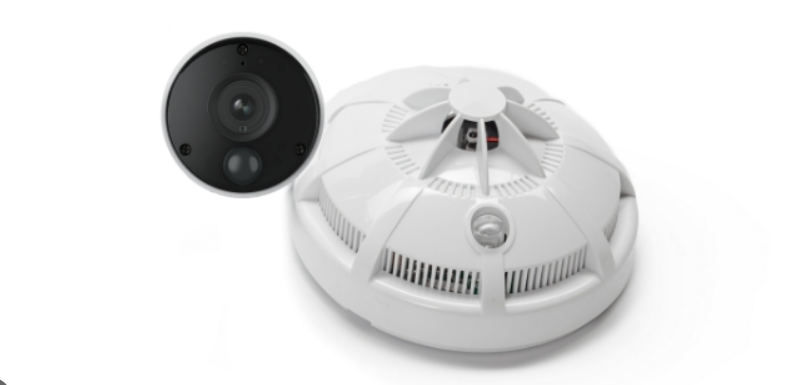
Hidden cameras are small surveillance devices designed to monitor an area without being visually prominent. Unlike conventional CCTV cameras, which are usually installed in visible locations, discreet cameras have compact designs that can blend into ordinary security equipment or architectural surroundings.
Property owners may consider discreet monitoring when they need additional security coverage in spaces such as offices, reception areas, storage facilities, or private business premises.
These devices can help property owners:
- Monitor authorized areas of their property.
- Document suspicious activity.
- Identify unauthorized entry.
- Review security incidents.
- Monitor valuable equipment and inventory.
- Improve awareness of potential security risks.
It is important to distinguish between discreet security equipment and unlawful covert surveillance. Cameras should only be used in locations where the property owner has the legal authority to monitor activity. Private spaces such as bathrooms, changing rooms, and bedrooms should never be subjected to unauthorized surveillance.
A responsible approach ensures that security improvements do not violate the privacy or rights of employees, visitors, tenants, family members, or other individuals.
2. Identifying Security Risks Before Installing Cameras
Before investing in surveillance equipment, property owners should identify the risks they want to address. Every property has different security requirements, and understanding these needs helps determine which monitoring solutions are appropriate.
For residential properties, common concerns include:
- Unauthorized visitors.
- Package theft.
- Burglary and attempted break-ins.
- Damage to entrances and outdoor equipment.
- Suspicious activity around the property.
For commercial properties, security concerns may include inventory theft, unauthorized access to restricted business areas, damage to equipment, and security incidents involving visitors.
Conducting a property security assessment can help identify areas that require additional protection. Entryways, reception areas, permitted storage spaces, and exterior access points are examples of locations where appropriately positioned cameras can provide useful information.
Property owners should also consider existing security measures. Strong locks, alarm systems, motion-activated lighting, access-control technology, and conventional CCTV can work together with discreet monitoring equipment.
The objective should be to create multiple layers of protection rather than depending entirely on hidden cameras.
3. Choosing the Right Type of Security Camera
Selecting suitable surveillance equipment is essential for achieving reliable monitoring. Different cameras offer different capabilities, and the best option depends on the property layout, lighting conditions, recording requirements, and available budget.
Miniature Security Cameras
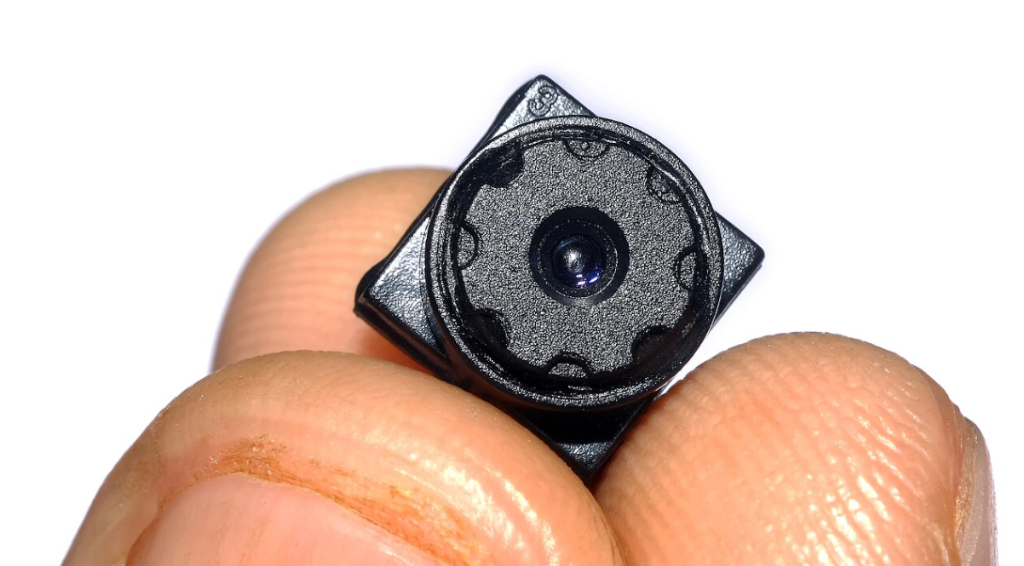
Miniature cameras are compact devices designed for monitoring authorized spaces without occupying much room. They can be useful in professional environments where large surveillance equipment may be visually distracting.
When choosing a miniature camera, consider video resolution, recording reliability, device security, and compatibility with your existing monitoring system.
Wireless Security Cameras
Wireless cameras transmit video through a wireless network, reducing the need for extensive cabling. Many models offer mobile apps that let authorized users review recordings remotely.
However, wireless devices depend on network reliability and require appropriate cybersecurity protection. Strong passwords, encrypted connections, and regular software updates are important.
Motion-Activated Cameras
Motion-activated cameras begin recording when they detect movement. This feature can reduce unnecessary recordings and make it easier to review relevant footage.
Some systems provide notifications when activity occurs, helping property owners respond to potential security incidents.
Night-Vision Cameras
Night-vision technology helps cameras capture footage in low-light conditions. This can be particularly useful for monitoring permitted outdoor areas, entrances, and parking facilities after dark.
Before purchasing, check the camera’s actual low-light performance and recording quality rather than relying entirely on advertised specifications.
Smart Security Cameras
Smart cameras connect with digital monitoring platforms and may include features such as motion alerts, cloud storage, remote access, and activity notifications.
These systems can make property management more convenient by allowing authorized users to review security information through smartphones, tablets, or computers.
4. Important Features to Consider
A good security camera should offer dependable performance, clear recordings, and appropriate privacy controls.
High-definition recording: Clear video quality makes it easier to understand recorded events and identify relevant details. Cameras offering 1080p resolution or higher may be suitable for many residential and commercial applications.
- Motion detection: Motion sensors help reduce unnecessary recordings and provide alerts when activity occurs in monitored areas.
- Night vision: This feature improves monitoring in poorly illuminated environments.
- Remote access: Mobile applications allow property owners to check authorized camera feeds from different locations.
- Storage capacity: Cameras may store recordings locally on memory cards, network video recorders, or secure cloud platforms. The appropriate option depends on recording requirements and available storage.
- Power reliability: A dependable power source helps prevent interruptions. Battery-operated models should be checked regularly, while wired systems may require backup power.
- Privacy controls: Features such as user permissions, recording schedules, privacy zones, and audio controls help ensure that monitoring remains responsible.
5. The Role of Audio Surveillance in Property Protection
Audio surveillance is another technology that may be incorporated into modern security systems. While video cameras record visual activity, audio-enabled devices can capture sound where recording is lawful and all required consent has been obtained.
Audio surveillance can sometimes provide additional context during a security incident. For example, an authorized recording may help clarify a verbal exchange, an alarm, or an unusual noise associated with an incident.
However, audio recording raises particularly important privacy concerns because conversations may contain sensitive personal, professional, or financial information.
Before enabling audio recording, property owners should understand the applicable laws governing consent, workplace monitoring, and the recording of private conversations.
In some jurisdictions, recording a conversation may require consent from every participant. Other jurisdictions apply different rules depending on the circumstances.
For this reason, property owners should not assume that permission to install a video camera automatically gives them permission to record conversations.
A responsible audio surveillance policy should include:
- Recording audio only when there is a legitimate and lawful purpose.
- Obtaining legally required consent.
- Informing employees and visitors when applicable.
- Avoiding the recording of private conversations.
- Disabling microphones when audio recording is unnecessary.
- Restricting access to recorded audio.
- Establishing reasonable retention and deletion periods.
For many residential and commercial security applications, video-only monitoring provides sufficient protection without the additional privacy risks associated with audio recording.
6. Legal and Ethical Considerations
One of the most important aspects of using hidden cameras is understanding the legal and ethical responsibilities involved.
Property ownership does not automatically provide unlimited permission to record everyone who enters a building. Individuals have privacy rights, and surveillance practices should respect those rights.
Before installing any discreet monitoring equipment, property owners should consider the following issues.
Respecting Private Spaces
Never install cameras in bathrooms, changing rooms, or other spaces where people reasonably expect privacy. Bedrooms and private accommodation areas also require particular care.
Even when a property owner controls the building, individuals using private spaces retain important privacy rights.
Workplace Surveillance
Businesses may have legitimate reasons to monitor certain workplace areas for security purposes. However, employees should be informed about applicable monitoring policies, and surveillance should be proportionate to the identified security risks.
Monitoring should not become an unnecessary way to observe employees’ private activities.
Audio Recording Regulations
Audio surveillance may be subject to stricter legal requirements than video monitoring. Property owners should research local recording and consent laws before activating microphones.
Data Protection
Recorded footage may contain identifiable information. It should be protected against unauthorized access, disclosure, misuse, and unnecessary retention.
Businesses should establish written procedures explaining who can access recordings, why footage may be reviewed, and when it will be deleted.
Following these principles helps create a security environment that protects property without compromising individual dignity.
7. Protecting Residential Properties with Discreet Cameras
Homeowners can benefit from combining conventional security cameras with appropriate discreet monitoring systems.
Residential security planning should begin with the property’s main access points, including front doors, garages, gates, and other permitted exterior areas.
Cameras can help document deliveries, unusual activity, and attempted unauthorized entry. Motion-activated lighting can further improve visibility around outdoor spaces.
For indoor monitoring, property owners should consider shared or authorized areas where monitoring has a legitimate security purpose. Household members, domestic workers, caregivers, and regular visitors should receive appropriate information about surveillance.
Families should also establish clear rules concerning camera access. Not every household member needs unrestricted access to recordings, particularly when footage may contain personal information.
For additional protection, homeowners can combine surveillance with:
- Strong door and window locks.
- Video doorbells.
- Security alarms.
- Outdoor lighting.
- Smart access-control systems.
- Secure Wi-Fi networks.
A coordinated approach generally provides better protection than relying on a single camera.
8. Improving Business and Commercial Property Security
Commercial properties often contain valuable inventory, sensitive documents, expensive equipment, and confidential business information.
Discreet cameras may support an existing CCTV system by providing additional monitoring in appropriate business areas.
For example, businesses may use authorized monitoring in reception areas, inventory storage spaces, and equipment rooms, provided employees and other affected individuals receive legally required notice.
Retail businesses can also benefit from visible cameras, access-control systems, inventory management software, and security alarms.
Offices should establish clear monitoring policies that explain the purpose of surveillance and the procedures for accessing recordings.
Business owners should avoid using hidden cameras as a substitute for effective employee management. Surveillance should address genuine security needs rather than create an atmosphere of unnecessary suspicion.
When implemented responsibly, modern monitoring technology can help businesses protect valuable assets, investigate security incidents, and improve operational accountability.
9. Securing Recorded Footage and Preventing Unauthorized Access
Installing a security camera is only one part of property protection. Recorded footage must also be protected.
If criminals or unauthorized individuals gain access to a surveillance system, they may view private recordings, delete evidence, or interfere with monitoring.
Cybersecurity should therefore be a central part of every modern surveillance strategy.
Use Strong Passwords
Change default camera passwords immediately after installation. Use unique passwords that are difficult to guess and avoid sharing login credentials unnecessarily.
Enable Two-Factor Authentication
Where supported, two-factor authentication adds another layer of protection by requiring an additional verification step when someone attempts to access the monitoring account.
Secure the Wi-Fi Network
Use modern Wi-Fi security settings and a strong network password. Consider placing security devices on a separate network from personal computers and other sensitive equipment.
Update Device Software
Manufacturers regularly release firmware and software updates to correct security vulnerabilities and improve device performance.
Install updates through official manufacturer channels and avoid unsupported applications.
Restrict User Permissions
Only trusted and authorized individuals should have access to live feeds and recorded footage.
Different users may require different permission levels. For example, a property manager may need access to security alerts without requiring permission to download every recording.
Choose Reliable Storage
Local storage and cloud storage both have advantages. Local storage can provide greater control over physical data, while reputable cloud services may offer convenient remote access and backup features.
Regardless of the method, protect recordings with encryption, appropriate access controls, and reasonable retention periods.
10. Using Motion Detection and Smart Alerts
Modern surveillance technology has made property monitoring more efficient through intelligent notifications.
Motion detection can identify activity within monitored areas and notify authorized users through a smartphone application.
Some advanced systems use artificial intelligence to distinguish between people, vehicles, and general movement. This can reduce unnecessary alerts caused by environmental activity.
For example, a property owner may receive an alert when someone approaches a monitored entrance during an unexpected period.
Conclusion: Securing Property With Hidden Cameras Requires Planning
Securing property with hidden cameras requires thoughtful planning, reliable technology, and respect for privacy. Discreet security cameras can support residential and commercial protection by documenting activity, helping investigate incidents, and complementing conventional CCTV systems.
Features such as high-definition recording, motion detection, night vision, wireless connectivity, and secure remote access can improve the effectiveness of modern surveillance equipment.
Audio surveillance may offer additional information in certain situations, but it requires particular attention to consent, privacy, and local recording laws. Video-only monitoring is often a more appropriate choice when audio recording is unnecessary.
How to Secure Your Property with Hidden Cameras | OutFactors – Dallas Fort Worth, TX


