

Residential Property Features That Support Independent Living After Surgery
Residential Property Features That Support Independent Living After Surgery

Coming Home After Surgery
Coming home after surgery should feel like a relief. But for many people, the first few days back reveal an uncomfortable truth: a house that worked perfectly before the operation can suddenly feel full of obstacles. Steep stairs, slippery bathroom floors, and hard-to-reach kitchen shelves can turn simple daily tasks into real challenges.
Why Your Home Environment Matters for Recovery
Recovery is not only about what happens in the hospital. Much of the healing process takes place at home, where limited mobility, fatigue, pain, and reduced balance can make everyday movement riskier. Falls are one of the most common causes of setbacks during recovery, and many of them happen in familiar places like bathrooms, hallways, and staircases.
A well-designed home reduces physical strain, lowers fall risk, and lets you do more for yourself without constantly asking for help. That independence matters for both physical progress and emotional wellbeing. Being able to bathe, cook, and move around on your own terms supports confidence and a sense of normalcy during a vulnerable time.
Before making changes, speak with your surgeon, physiotherapist, or an occupational therapist. They can recommend modifications tailored to your procedure, whether it involves a hip or knee replacement, spinal surgery, cardiac surgery, or an abdominal operation, and to your expected recovery timeline. A rehabilitation-focused practice such as Dr Waseem Clinic can also help you plan both your recovery routine and your home setup, so the two work together.
1. Step-Free Entry and Accessible Entryways
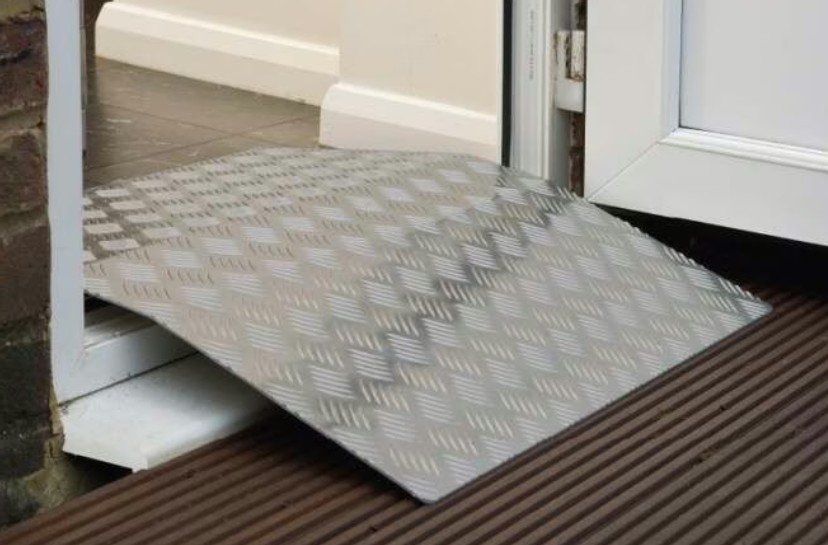
The first hurdle of any recovery is simply getting through the front door. Entry steps can be difficult or even unsafe when you are using a walker, crutches, or a cane.
Look for or create these entryway features:
- Step-free or low-threshold entry. A level entrance removes one of the biggest barriers to coming and going.
- A gently sloped ramp. If steps cannot be avoided, a permanent or temporary ramp offers a safer alternative. Accessibility guidelines generally recommend a slope of 1:12, meaning one foot of length for every inch of rise.
- Sturdy handrails. Rails on both sides of any steps give you something reliable to hold.
- Wide doorways. A clear opening of at least 32 inches, and ideally 36, allows walkers and wheelchairs to pass comfortably.
- Good exterior lighting. Motion-activated or well-placed lights help you see steps and pathways clearly, especially in the evening.
2. Single-Level Living
Stairs are one of the most common challenges after surgery, particularly procedures affecting the legs, hips, back, or core. A home that allows you to live on one floor offers significant advantages.
Ideally, the main level should include a bedroom, a full bathroom, a kitchen, and a living area. If you are choosing a property, a ranch-style home, a ground-floor apartment, or a house with a main-floor primary suite can make recovery much simpler.
If your home has multiple levels, consider setting up a temporary recovery space downstairs, such as a bedroom in a den or office. For longer-term needs, a stair lift or a second handrail can improve safety. Make sure stairways are well lit, free of clutter, and fitted with non-slip treads.
3. Accessible, Safety-Focused Bathrooms
The bathroom is where many recovery-related accidents occur, thanks to wet surfaces, tight spaces, and low fixtures. It is arguably the most important room to get right.
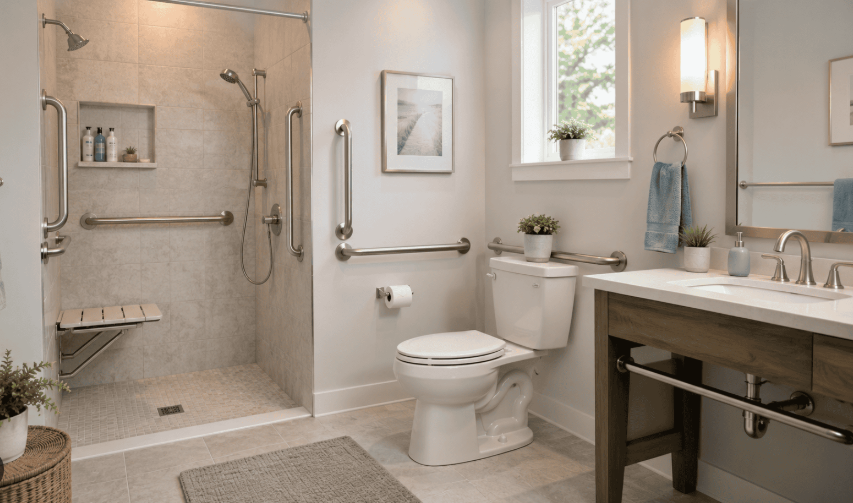
Key bathroom features that support independent living include:
- Walk-in or curbless shower. Stepping over a tub wall can be painful and unsafe after surgery. A low-threshold shower is far easier to enter.
- Grab bars. Professionally installed bars near the toilet and in the shower provide stable support. They should be anchored into wall studs, not simply attached to tile or held by suction.
- Shower seat or bench. Sitting while bathing conserves energy and reduces fall risk.
- Handheld showerhead. This lets you direct water without twisting or stretching.
- Comfort-height or raised toilet. A toilet seat set higher than standard makes sitting and standing easier, which is especially helpful after hip, knee, or abdominal surgery.
- Non-slip flooring. Textured tiles or slip-resistant mats reduce the chance of slipping on wet surfaces.
- Lever-style faucets. These are easier to use than round knobs when grip strength or dexterity is limited.
4. A Kitchen That Works Within Your Reach
Preparing meals is a key part of independent living, and a kitchen that forces you to bend, stretch, or carry heavy items can quickly become a problem during recovery.
Helpful kitchen features include:
- Pull-out shelves and drawers. Deep drawers and slide-out racks bring items to you instead of requiring you to crouch or reach.
- Frequently used items at waist-to-shoulder height. Keeping everyday dishes, pans, and ingredients within easy reach avoids risky stretching.
- Side-by-side or French-door refrigerators. These reduce the need for deep bending compared with bottom-freezer models.
- Wall ovens and microwave drawers. Appliances at counter height eliminate the need to lift hot dishes from low positions.
- Varied counter heights or a sturdy stool. Seated work areas allow you to prepare food without standing for long periods.
- Lever or touch-activated faucets. They are easier to operate with reduced hand strength.
Before surgery, many people also batch-cook and stock easy-to-reach pantry staples, which lowers the demand on the kitchen during the first weeks home.
5. Safe Flooring and Clear Pathways
Flooring has a major influence on fall risk. Loose rugs, uneven transitions, and slippery finishes are all common hazards for someone using a mobility aid. Safe floors work best alongside injury prevention exercises that build balance and leg strength, so ask your physiotherapist which movements suit your stage of recovery.
For safer movement around the home:
- Choose firm, low-pile, or smooth flooring such as hardwood, vinyl, or low-pile carpet. Thick, plush carpet can catch walker wheels or shoes.
- Remove throw rugs or secure them with non-slip backing.
- Eliminate raised thresholds between rooms wherever possible.
- Keep hallways and walkways at least 36 inches wide and free of cords, furniture, and clutter.
- Arrange furniture to create clear, straight routes between the bedroom, bathroom, and kitchen.
6. Lighting That Reduces Risk
Poor lighting is a quiet contributor to falls, particularly at night. After surgery, you may also be taking medications that affect alertness or balance, so visibility becomes even more important.
Consider installing:
- Motion-sensor night lights along the path from bed to bathroom.
- Bright, even lighting in hallways, stairways, and entrances.
- Easy-to-reach light switches, ideally rocker-style, at the entrance to each room.
- Lamps or switches within reach of the bed, so you never have to walk across a dark room.
7. Smart Home Technology for Added Independence
Modern technology can make a recovery-friendly home even more manageable. Smart home features reduce the number of physical tasks you need to do and add an extra layer of safety.
- Voice-controlled lighting and thermostats let you adjust your environment without getting up.
- Video doorbells allow you to see and speak to visitors without rushing to the door.
- Smart locks and keyless entry help caregivers, nurses, or family members come and go without you needing to answer.
- Medical alert systems or wearable emergency buttons provide fast access to help if you fall or feel unwell.
- Smart plugs and automated routines can turn on lights or appliances at set times.
8. Comfortable Bedroom and Living Spaces
Your bedroom and main living area will likely be where you spend most of your recovery, so they deserve careful attention.
Aim for a bed at a height that lets your feet rest flat on the floor when seated on the edge. A bed that is too low makes standing difficult, while one that is too high can be unsafe. A firm chair with armrests, positioned near a table, offers a supportive place to sit, eat, and rest. Keep essentials such as your phone, medications, water, glasses, and remote controls within arm’s reach to limit unnecessary movement. If your care team approves, short sessions of gentle stretching during the day can also keep your muscles and joints from stiffening during long hours of sitting or resting.
9. Outdoor Access and Parking
Independence includes leaving the house for appointments and fresh air. Properties with a covered or close-to-entrance parking space make transfers in and out of a vehicle easier, especially in poor weather. Level, well-maintained paths, a small seating area on a porch or patio, and low-maintenance landscaping let you enjoy time outside without the risk of uneven ground or the burden of yard work.
Quick Checklist: Is Your Home Recovery-Ready?
- Can you enter the home without climbing steps?
- Are doorways and hallways wide enough for a walker or wheelchair?
- Is there a bedroom and bathroom on the main floor?
- Does the shower allow safe, seated bathing with grab bars?
- Are floors free from loose rugs, cords, and clutter?
- Are frequently used kitchen items within easy reach?
- Is lighting bright and reliable, including at night?
- Do you have a way to call for help quickly?
If you answered no to several of these questions, it may be worth making adjustments before or soon after your procedure.
Frequently Asked Questions
What home modifications are most important after surgery?
The most impactful changes usually involve the bathroom, entryways, and stairs. Grab bars, a shower seat, a raised toilet seat, and a safe way to enter the home often make the biggest difference for safety and independence.
How can I prepare my home before surgery?
Start by clearing walkways, removing loose rugs, and arranging a recovery space on one floor. Stock easy-to-prepare meals, move everyday items to waist height, and install any grab bars or night lights in advance. An occupational therapist can offer a personalized home assessment.
Do I need to renovate my home for recovery?
Not necessarily. Many effective changes are simple and low-cost, such as non-slip mats, portable handrails, shower chairs, and better lighting. Larger renovations, such as walk-in showers or ramps, are worth considering if you expect long-term mobility needs.
What should I look for in a property if I need an accessible home?
Prioritize step-free entry, a main-floor bedroom and bathroom, wide doorways, slip-resistant flooring, and a layout that allows easy movement between rooms. These features serve you during recovery and help you age in place comfortably over the long term.
Final Thoughts
The right residential property features can turn a challenging recovery into a manageable one. From step-free entrances and accessible bathrooms to thoughtful lighting and smart technology, each improvement removes a small barrier and adds a measure of safety and confidence.
Whether you are adapting your current home or searching for a new one, think beyond the short term. The same features that support independent living after surgery also support comfort, safety, and aging in place for years to come. Plan ahead, consult your healthcare team, and create a space that lets you focus on what matters most: healing well.
Residential Property Features That Support Independent Living After Surgery | OutFactors – Dallas Fort Worth, TX


