
Cinematic Home Tours: How to Tell a Story Instead of Just Showing Rooms
Cinematic Home Tours: How to Tell a Story Instead of Just Showing Rooms
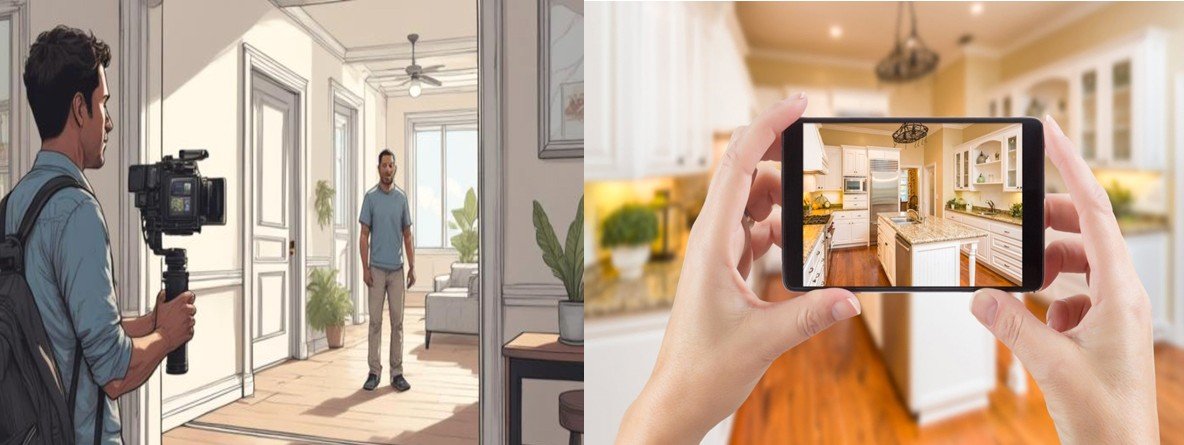
Using Cinematic Home Tours to Sell Your Home
In the ever-evolving world of real estate marketing, traditional methods of showcasing properties are being transformed by innovative approaches. One such trend that’s gaining traction is the concept of cinematic home tours. These tours are not just about walking potential buyers through a house; they are about creating an immersive experience that tells a story and evokes emotion. By using cinematic techniques, you can elevate a standard home showcase into a memorable journey that resonates with viewers.
Cinematic home tours combine the art of filmmaking with property presentation, often enhanced through professional Cinematic video services. This approach leverages high-quality visuals, carefully crafted narratives, and engaging soundscapes to create a viewing experience that captivates potential buyers. By bringing homes to life in this way, you can highlight not just the features, but also the lifestyle and possibilities each space offers. This method can significantly enhance the appeal of your listings, setting them apart in a competitive market.
Engaging viewers through cinematic home tours requires more than just technical skill; it demands creativity and a deep understanding of storytelling. As you embark on creating these tours, consider how you can weave narratives that capture the imagination of your audience.
The Importance of Storytelling in Real Estate
Storytelling has always been a powerful tool in marketing, and real estate is no exception. In a field where first impressions are crucial, the ability to tell a compelling story can make or break a deal. By integrating storytelling into your property presentations, you can create an emotional connection with potential buyers, allowing them to envision their future in the space you are showcasing.
In real estate, storytelling isn’t just about highlighting the physical attributes of a home; it’s about painting a picture of what life could be like within its walls. This involves crafting a narrative that resonates with the aspirations and desires of your target audience. Whether it’s the charm of a cozy family home or the sophistication of a modern urban apartment, the story you tell can significantly influence the perception of value and desirability.
Moreover, storytelling in real estate helps differentiate your listings from the competition. In a crowded market where multiple properties are often similar in size and style, the narrative you create can be the deciding factor for a potential buyer. By focusing on the unique aspects of a property and the lifestyle it offers, you can create a memorable impression that encourages further engagement and ultimately leads to a successful sale.
Elements of a Compelling Cinematic Home Tour
Creating a compelling home tour involves more than just filming each room. To craft an engaging narrative, consider incorporating the following elements:
1. Visual Aesthetics: High-quality visuals are crucial. Use professional photography and videography to capture the property in its best light. Consider the time of day and weather conditions to enhance the overall aesthetic.
2. Narrative Arc: Develop a storyline that guides the viewer through the property. Begin with a captivating introduction, highlight key features of each room, and conclude with a strong closing that leaves a lasting impression.
3. Emotional Resonance: Connect with your audience on an emotional level. Use the narrative to evoke feelings of comfort, luxury, or adventure, depending on the property’s unique characteristics.
4. Attention to Detail: Highlight unique architectural details, design elements, and the surrounding neighborhood. These aspects can add depth and interest to your tour.
5. Engaging Soundscapes: Incorporate background music or sound effects that complement the mood of the tour. Sound plays a crucial role in setting the tone and enhancing the viewing experience.
By thoughtfully integrating these elements, you can transform a simple home tour into an immersive cinematic experience that captures the imagination of potential buyers.
How to Plan Your Cinematic Home Tour
Effective planning is the cornerstone of a successful cinematic home tour. Begin by defining the story you wish to tell. This involves understanding the unique selling points of the property and the lifestyle it offers. Consider the target audience and what aspects of the home are likely to resonate with them.
Next, develop a storyboard that outlines the sequence of shots and the narrative flow. This will serve as a roadmap for your filming process, ensuring that each scene contributes to the overall story. Pay attention to transitions between rooms, as these should be smooth and natural to maintain viewer engagement.
When planning your shoot, consider the logistics, such as the time of day, lighting conditions, and any necessary equipment. It’s also important to scout the location in advance to identify potential challenges and opportunities for creative shots. By meticulously planning each aspect of your tour, you can ensure a seamless and professional final product that captivates your audience.
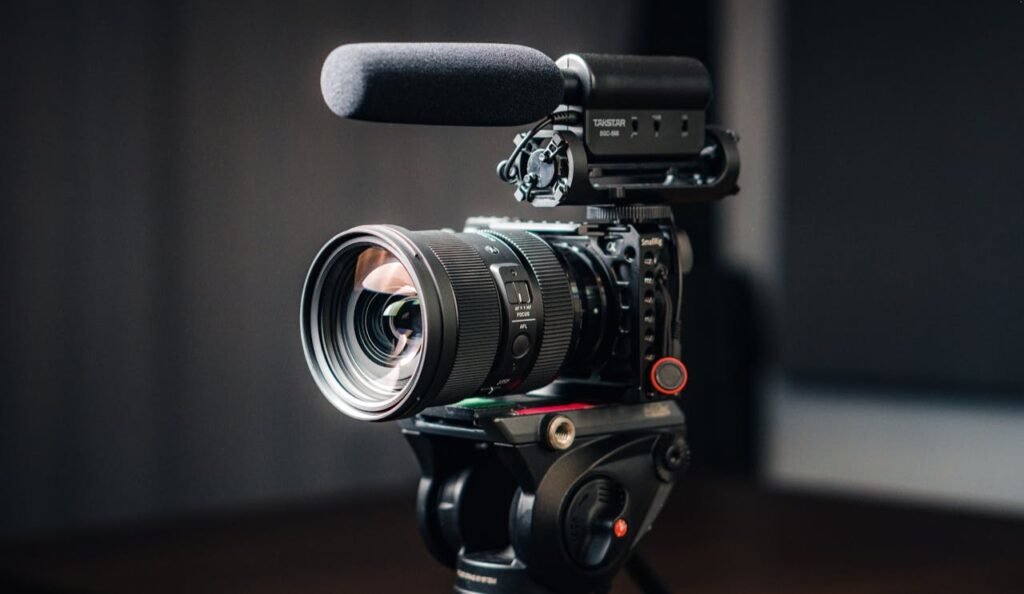
Essential Equipment for Cinematic Home Tours
To achieve a cinematic quality in your home tours, investing in the right equipment is essential. Here’s a list of must-have tools to enhance your production:
• Camera: A high-resolution DSLR or mirrorless camera is ideal for capturing sharp, detailed images and videos. Look for models with excellent low-light performance and interchangeable lenses.
• Lenses: Use a variety of lenses to capture different perspectives. Wide-angle lenses are great for showcasing entire rooms, while prime lenses can highlight specific details with a shallow depth of field.
• Stabilizer: A gimbal or tripod will ensure smooth, steady shots, especially during panning or tracking movements.
• Lighting: Portable LED lights can help illuminate dark areas and enhance the ambiance. Consider using softboxes or diffusers for a more natural light effect.
• Microphone: An external microphone is crucial for capturing clear, high-quality audio, especially if you plan to include voiceovers or interviews in your tour.
Equipping yourself with these tools will enable you to produce professional-grade home tours that stand out in the real estate market.
Techniques for Captivating Visuals
Captivating visuals are the backbone of any cinematic home tour. To achieve this, focus on three key techniques:
1. Composition: Pay attention to the framing of each shot. Use the rule of thirds to create balanced and visually appealing images. Consider leading lines to draw attention to focal points within the room.
2. Lighting: Natural light is your best friend. Shoot during the golden hour (shortly after sunrise or before sunset) for soft, warm lighting that enhances the property’s charm. When natural light is insufficient, supplement with artificial lighting to avoid harsh shadows.
3. Movement: Incorporate dynamic movements like pans, tilts, and dollies to add interest and fluidity to your tour. These techniques can help guide the viewer’s eye and create a more engaging experience.
By mastering these techniques, you can create stunning visuals that not only showcase the property but also evoke emotion and intrigue.
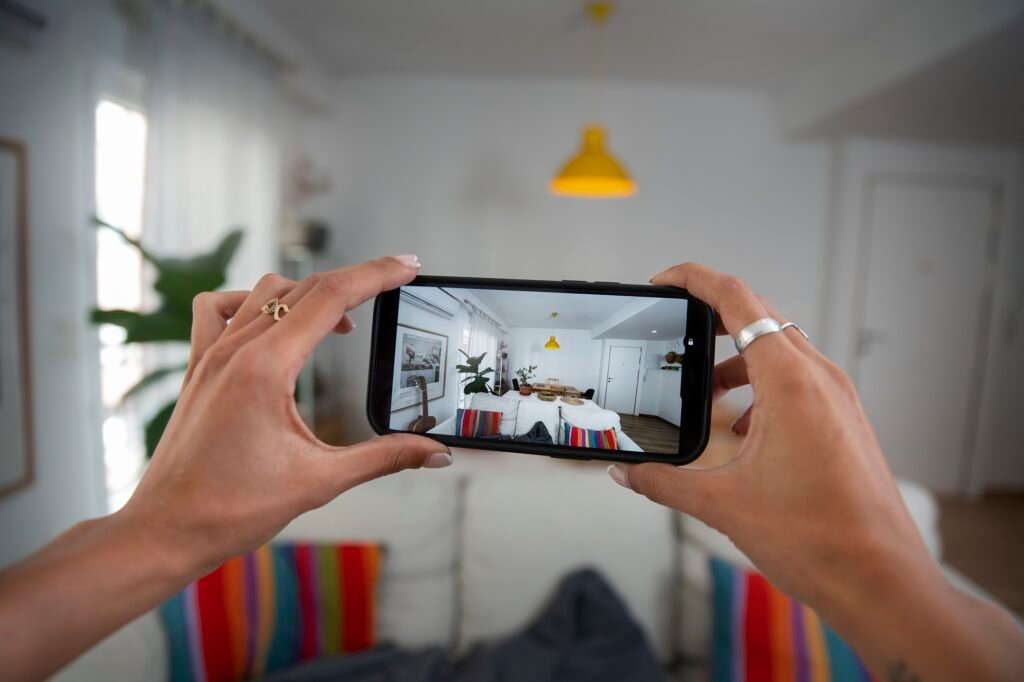
Incorporating Narratives: From Room to Room
To create a seamless and engaging cinematic home tour, it’s crucial to weave a coherent narrative as you transition from room to room. Start by introducing the property’s exterior, setting the stage for what lies within. This initial impression should hint at the overarching theme or lifestyle the home offers.
As you move inside, guide your audience through each space with intention. Highlight the unique features and functionalities of each room, while maintaining a consistent narrative thread. For instance, if you’re showcasing a family home, emphasize areas that foster togetherness, such as the kitchen or living room.
Ensure each transition adds to the story and keeps the viewer engaged. Use visual cues, like a door opening or a change in perspective, to smoothly lead the audience from one space to another. This continuity will not only enhance the viewing experience but also reinforce the emotional journey you’re crafting.
The Role of Music and Sound in Cinematic Home Tours
Music and sound play a pivotal role in elevating the emotional impact of your cinematic home tours. The right soundtrack can enhance the mood, complement the visuals, and create a more immersive experience for viewers.
When selecting music, consider the genre and tempo that best fit the property and its target audience. A modern apartment might benefit from upbeat, contemporary tracks, while a rustic country home might pair well with softer, acoustic melodies. Ensure that the volume is balanced, allowing the music to enrich the narrative without overpowering it.
In addition to music, incorporate ambient sounds that reflect the home’s environment, such as birds chirping in a garden or the crackling of a fireplace. These subtle auditory elements can make the tour feel more authentic and relatable. By carefully curating your soundscape, you can enhance the overall impact of your cinematic home tour.
Platforms for Sharing Your Cinematic Home Tours
Once you’ve crafted your cinematic home tour, it’s essential to share it on the right platforms to reach your target audience effectively. Here are some key platforms to consider:
• YouTube: As the largest video-sharing platform, YouTube offers extensive reach and the potential to engage with a broad audience. Optimize your video with relevant keywords and descriptions to improve visibility.
• Social Media: Platforms like Instagram, Facebook, and TikTok are ideal for sharing shorter clips and teasers. Use these channels to drive traffic to the full tour by leveraging hashtags, stories, and paid promotions.
Real Estate Websites: Listing your tour on real estate platforms. By strategically distributing your cinematic home tour across these platforms, you can maximize exposure and attract a diverse audience of prospective buyers.
Conclusion: Elevating Your Real Estate Marketing Strategy
Incorporating cinematic home tours into your real estate marketing strategy offers a unique opportunity to stand out in a competitive market. By combining high-quality visuals, engaging narratives, and thoughtful soundscapes, you can create immersive experiences that captivate potential buyers and leave a lasting impression.
Cinematic Home Tours: How to Tell a Story Instead of Just Showing Rooms | OutFactors – Dallas Fort Worth, TX