
Creating Comfortable Home Environments for Chronic Illness Patients
Creating Comfortable Home Environments for Chronic Illness Patients
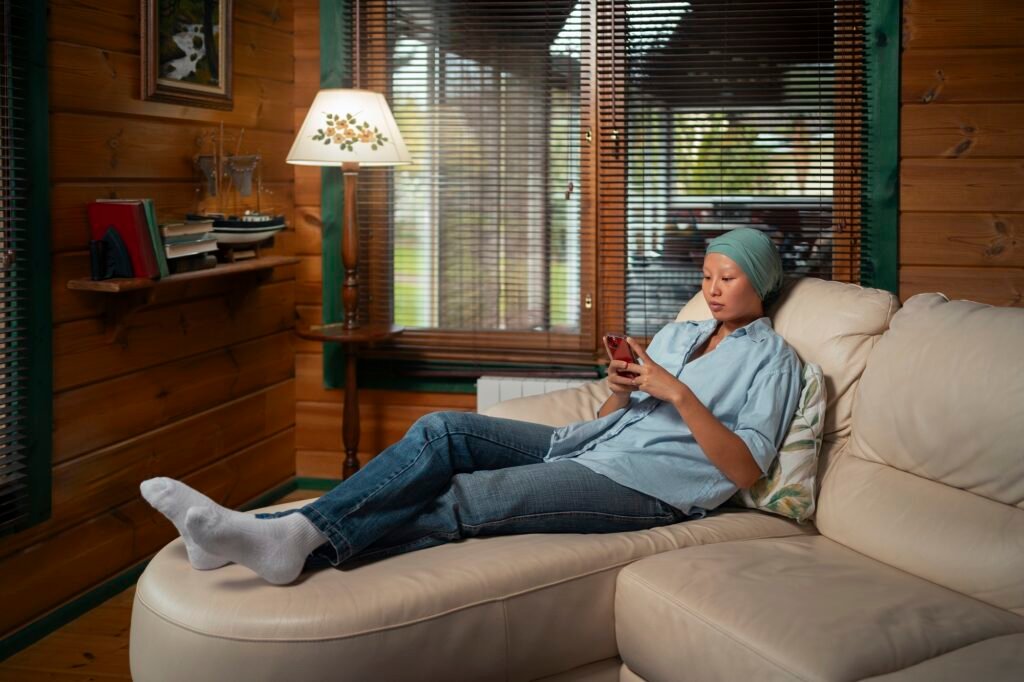
Understanding the Importance of a Comfortable Home Environment
A well-designed home environment significantly impacts your health, especially when dealing with chronic conditions. It goes beyond aesthetics, influencing your daily functioning and overall quality of life. A soothing and organized space can reduce stress, enhance relaxation, and promote better health outcomes.
Consider the role of your home as a therapeutic space. It should accommodate your specific needs, making daily tasks easier and less taxing. Incorporating areas that support routines such as physical therapy exercises can further enhance comfort and mobility during recovery. By prioritizing comfort and functionality, you create a setting that fosters recovery and well-being. Remember, your environment should adapt to you, not the other way around.
Moreover, a conducive living space can help manage symptoms by reducing physical barriers and enhancing accessibility. This means choosing the right furniture, optimizing lighting, and selecting colors that evoke calmness. All these elements contribute to a holistic approach to health management.
Key Design Principles for Chronic Illness Patients
When designing a home for chronic illness patients, certain principles must guide your decisions. Accessibility is paramount, especially for individuals managing mobility-related conditions such as osteoarthritis knee. Ensure that every area of your home is easily reachable without undue effort. This might involve installing ramps, widening doorways, or opting for lever-style door handles.
Safety is another critical consideration. Eliminate tripping hazards by securing loose rugs and organizing cords. Install grab bars in the bathroom and ensure that floors are slip-resistant. These adjustments can prevent accidents and provide peace of mind.
Lastly, focus on personalization. Your home should reflect your personality and preferences, making it a place where you feel most at ease. Incorporate personal mementos, favorite colors, and items that bring joy—whether that includes fitness-related essentials like a best pre workout supplement or other aspects of your lifestyle. By doing so, you create an emotional connection to your living space that supports mental health.
Essential Features for a Health-Conscious Home
A health-conscious home integrates features that promote physical and mental well-being. Start with air quality. Invest in air purifiers to reduce allergens and pollutants. Consider incorporating indoor plants known for their air-purifying properties, such as spider plants or peace lilies.
Next, focus on temperature regulation. This is particularly important if temperature fluctuations exacerbate your symptoms. Smart thermostats can help maintain a consistent and comfortable environment, tailored to your specific health needs, which may be especially valuable during sensitive health journeys such as seeking affordable IVF treatment.
Noise control is another essential element. High levels of noise can increase stress and disrupt rest. Use sound-absorbing materials such as carpets, curtains, and acoustic panels to dampen noise levels. Alternatively, white noise machines can provide a soothing background sound that aids relaxation and sleep.
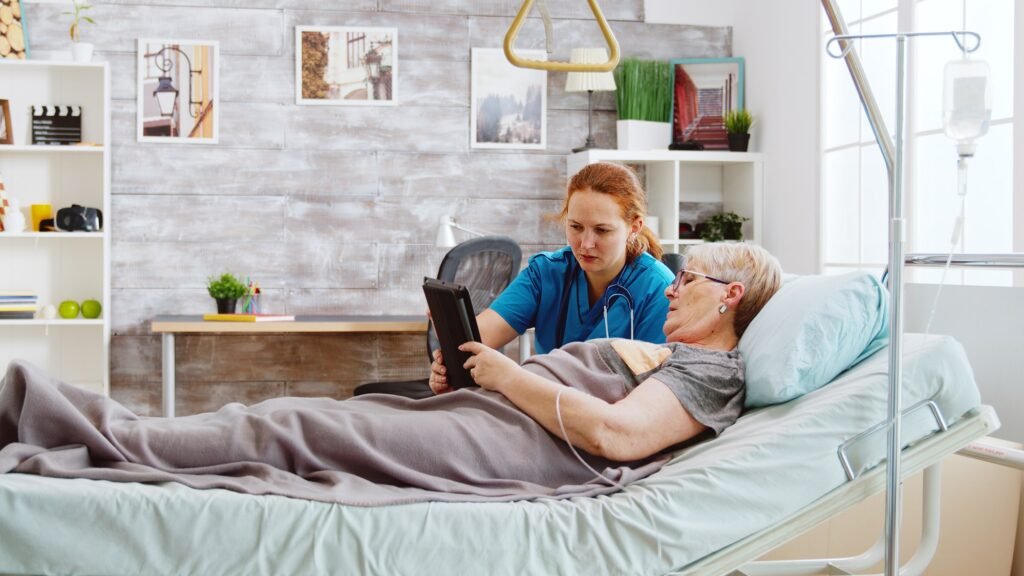
Choosing the Right Colors and Lighting
Colors and lighting play a pivotal role in setting the mood and energy of your home. Choose colors that promote tranquility and relaxation. Soft blues, greens, and neutral tones are often recommended for their calming effects. Avoid overly bright or dark colors that can overwhelm the senses.
Lighting should be both functional and soothing. Natural light is ideal, so maximize it where possible by using sheer curtains or blinds. For artificial lighting, opt for dimmable LED lights that allow you to adjust the brightness according to your needs.
Additionally, consider using task lighting in areas where specific activities occur. For example, reading lamps near your favorite chair or under-cabinet lights in the kitchen. This targeted approach ensures that you have sufficient light for tasks without straining your eyes.
Furniture Selection for Comfort and Accessibility
Selecting the right furniture is crucial for comfort and accessibility. Choose pieces that offer support and ease of use. Ergonomic chairs, adjustable beds, and recliners with lift functions can make a significant difference in daily comfort.
Prioritize furniture that is easy to clean and maintain, especially if mobility is an issue. Materials like leather or vinyl that can be wiped down might be preferable. Ensure that seating is at a height that allows you to sit and stand with ease, minimizing physical strain.
Consider the layout of your furniture as well. Arrange items to allow for clear pathways and easy navigation. This not only enhances safety but also contributes to a sense of openness and space, which can be mentally refreshing.
Creating a Calming Space: Tips for Decor
Decorating your home should focus on creating a sense of calm and serenity. Start by decluttering. A tidy space reduces stress and makes it easier to find what you need. Use storage solutions like baskets, shelves, and cabinets to organize your belongings.
Incorporate natural elements into your decor. Items such as stones, wood, and plants can bring a touch of nature indoors, promoting relaxation and grounding. Consider creating a small indoor garden or a water feature to enhance the soothing atmosphere.
Personal touches are important, so display photos, artwork, and objects that bring joy and positive memories. These personal elements can provide comfort and a sense of belonging, reinforcing your emotional connection to your home.

The Role of Organization in Managing Chronic Illness
Organization is key to managing chronic illness effectively. A well-organized home reduces stress and makes daily tasks more manageable. Start by organizing your medication, ensuring it is stored safely and is easily accessible. Use pill organizers to keep track of dosages and refills.
Create a routine that includes regular decluttering and cleaning. This not only maintains order but also prevents overwhelming accumulation of items. Use labels and clear containers for easy identification of contents, further simplifying the process.
Digital organization can also be beneficial. Use apps and digital calendars to track appointments, medication schedules, and important health data. This minimizes the risk of missed appointments or medication errors, enhancing your overall health management strategy.
Incorporating Technology for Improved Comfort
Technology can greatly enhance your comfort and convenience. Smart home devices, such as voice-activated assistants, can control lighting, temperature, and entertainment systems, reducing the need for physical movement. This is particularly beneficial for those with mobility challenges.
Consider investing in health-monitoring devices, such as smartwatches or fitness trackers. These devices can provide valuable insights into your health patterns and help you manage your condition more effectively. They can also sync with apps to track symptoms and share data with healthcare providers.
Home automation systems can also improve security, providing peace of mind. Features like smart locks, video doorbells, and security cameras can be controlled remotely, allowing you to monitor your home from anywhere.
Personalizing Your Space: Making it Your Own
Personalization is the final touch in creating a comfortable home environment. Your space should reflect your tastes and preferences, making it a true reflection of who you are. Choose colors, patterns, and textures that resonate with you, creating a space that feels uniquely yours.
Incorporate hobbies and interests into your decor. Whether it’s a reading nook filled with your favorite books, a craft corner, or a music area, these personalized spaces can provide joy and relaxation. They serve as reminders of what you love and what brings you happiness.
Invite friends and family to contribute with meaningful gifts or artwork. This not only personalizes your space further but also strengthens your connection to loved ones, providing emotional support and comfort.
Conclusion: Building a Supportive Home Environment
Designing a home environment tailored to the needs of chronic illness patients involves thoughtful planning and personalization. By considering accessibility, safety, and personal preferences, you can create a space that not only supports your physical health but also nurtures your emotional well-being.
Remember, your home is your sanctuary. Take the time to make it a place that truly supports you in every aspect of your health journey. By doing so, you empower yourself to manage your condition more effectively and live a more fulfilling life.
Creating Comfortable Home Environments for Chronic Illness Patients | OutFactors – Dallas Fort Worth, TX