
How Remote Work Increased Demand for Fitness-Friendly Homes
How Remote Work Increased Demand for Fitness-Friendly Homes
Importance of a Versatile and Accommodating Home
The landscape of work has undergone a transformative shift, with remote work emerging as a dominant trend. This evolution has not only influenced the way you work but also where you choose to live. The traditional commute is becoming a relic of the past, as more professionals like yourself seek homes that accommodate both work and lifestyle preferences. This new era of remote work has significantly altered housing trends, emphasizing the importance of a versatile and accommodating home environment.
As we adapt to this new way of working, the demand for homes that support a balanced lifestyle has surged. There is a growing awareness that taking care of our bodies with vitamins and mind-body enhancements like magnesium supplements is not enough. We must also have homes with features that enhance our overall well-being, where our minds and bodies coexist harmoniously. Homes are no longer just places to live; they have become multifunctional spaces where you strive to create a healthy environment for your bodies and minds. This awareness is driving demand for fitness-friendly homes, where you can integrate your professional and personal lives more seamlessly, maintaining your well-being without leaving home.
The current housing market reflects this shift towards healthier living environments. As you consider your next home, you may find yourself prioritizing features that enhance your overall wellness. The focus is on creating spaces that promote physical activity, mental well-being, and productivity. This trend is not just about convenience; it’s about embracing a lifestyle that supports your holistic health in a world where the lines between work and home are increasingly blurred.
The Rise of Fitness-Friendly Homes
Fitness-friendly homes are gaining popularity as remote work becomes more prevalent. These homes are designed to incorporate spaces and features that make it easier for you to stay active and healthy. As your priorities shift, so do the expectations you have for your living environment. Fitness-friendly homes cater to this evolving mindset by offering dedicated areas for exercise, relaxation, and well-being.
The rise of fitness-friendly homes is a response to the growing awareness of the importance of maintaining a healthy lifestyle. With more of your time spent at home, having easy access to fitness options is no longer a luxury but a necessity. These homes are equipped with spaces that encourage movement, such as home gyms, yoga studios, and even outdoor areas for activities like running or cycling. By incorporating these features, fitness-friendly homes make it easier for you to integrate physical activity into your daily routine.
This trend is not just about physical health but also mental well-being. Living in a fitness-friendly environment can help reduce stress and increase productivity, as you have the tools and spaces to balance work with self-care. As you look to buy your home, you may notice that fitness-friendly homes are becoming more common, reflecting the growing demand for living spaces that align with a healthier and more balanced lifestyle.
Key Features of Fitness-Friendly Homes
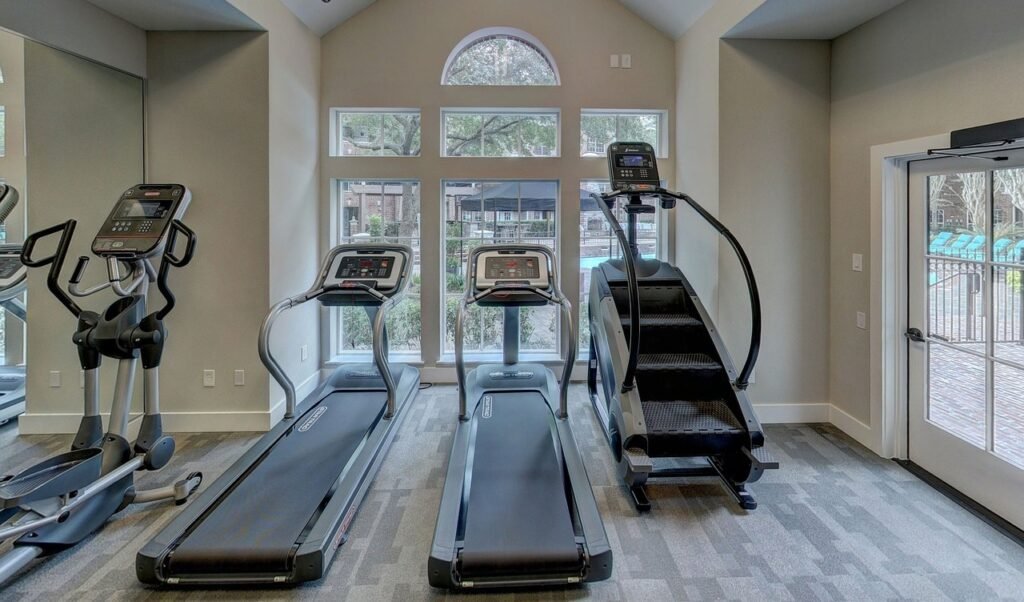
Fitness-friendly homes come with a variety of features designed to support your active lifestyle. One of the most sought-after elements is a dedicated exercise room. This space can be equipped with gym equipment, such as treadmills, weights, or yoga mats, allowing you to tailor your workout routine to your preferences without the need to travel to a gym. By having a designated area for fitness, you can maintain consistency in your exercise regimen, which is crucial for achieving your health goals.
Another key feature of fitness-friendly homes is access to outdoor spaces that facilitate physical activity. Whether it’s a backyard with a swimming pool, a deck for outdoor yoga, or proximity to walking trails, these elements provide you with the opportunity to enjoy fresh air and nature while staying active. The integration of natural surroundings not only enhances your physical health but also contributes to mental relaxation and rejuvenation.
In addition to these features, fitness-friendly homes often include smart home technology that supports your health journey. This technology can range from apps that track your workouts to automated lighting and temperature controls that create an optimal environment for exercise and recovery. By leveraging these innovations, your home becomes a partner in your pursuit of a healthier lifestyle, offering convenience and motivation at your fingertips.

The Role of Remote Work in Shaping Homebuyer Preferences
Remote work is redefining what you seek when you buy or sell your home. As you spend more time working from home, the need for a living space that supports your professional and personal needs becomes paramount. Your preferences have shifted towards homes that offer flexibility, comfort, and amenities that enhance your quality of life. This shift is influencing the real estate market, as developers and sellers respond to the growing demand for homes that accommodate remote work and fitness.
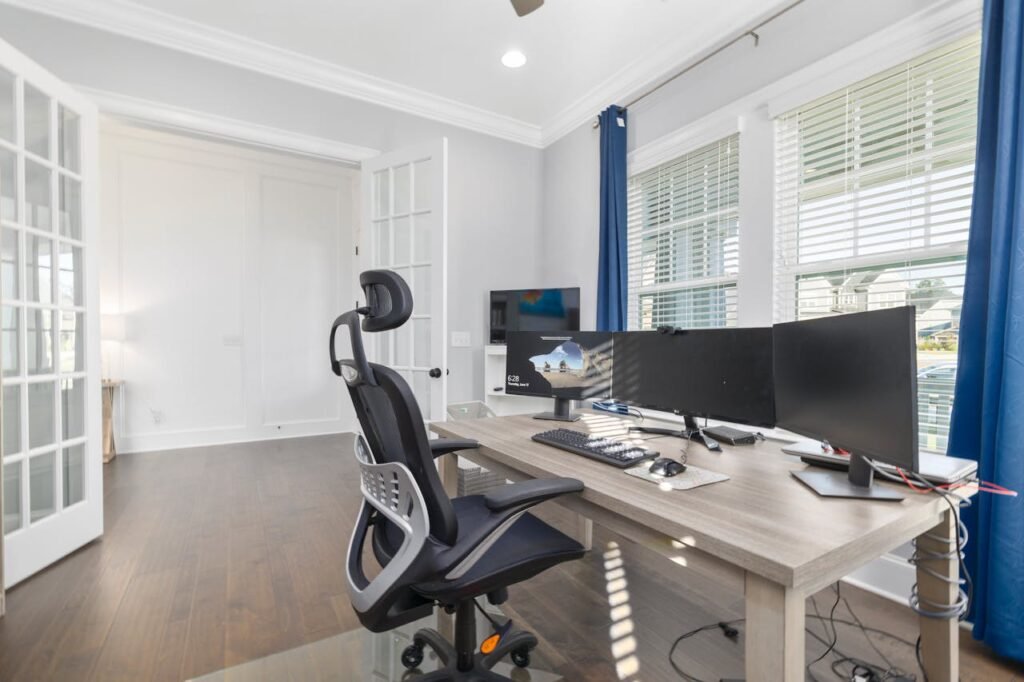
With the boundary between work and home life becoming increasingly blurred, you may prioritize homes that offer a dedicated workspace alongside areas for relaxation and exercise. A home office is now a crucial component of your housing search, equipped with the necessary technology and furniture to ensure productivity. However, equally important is the availability of spaces that allow you to unwind and stay active, reflecting a holistic approach to your living environment.
The role of remote work in shaping homebuyer preferences extends beyond the physical aspects of a home. It influences the location and community you choose to live in. Proximity to parks, fitness centers, and other recreational facilities becomes a deciding factor as you look for a neighborhood that complements your lifestyle. This trend underscores the importance of homes that offer a comprehensive living experience, where work, fitness, and leisure coexist seamlessly.
Benefits of Living in a Fitness-Friendly Home
Living in a fitness-friendly home offers numerous benefits that contribute to your overall well-being. One of the primary advantages is the convenience of having fitness facilities within your reach. This ease of access eliminates the barriers that often prevent you from maintaining a regular exercise routine, such as time constraints or the hassle of commuting to a gym. By making fitness a part of your daily life, you can achieve better physical health and improve your quality of life.
In addition to physical benefits, fitness-friendly homes also support your mental health. Exercise is a proven stress reliever, and having the ability to work out at home allows you to integrate stress management into your routine effortlessly. The presence of dedicated fitness spaces in your home can serve as a sanctuary where you can unwind, clear your mind, and recharge, leading to increased productivity and a more positive outlook on life.
Moreover, fitness-friendly homes encourage a lifestyle that prioritizes wellness and self-care. By investing in a living environment that supports your health goals, you are more likely to adopt and maintain healthy habits. This proactive approach to health can lead to long-term benefits, such as reduced risk of chronic diseases, enhanced energy levels, and improved mental clarity. Ultimately, living in a fitness-friendly home empowers you to take charge of your well-being in a way that aligns with your remote work lifestyle.
Trends in Home Design for Fitness Enthusiasts
Home design for fitness enthusiasts is evolving to meet your growing demand for spaces that support an active lifestyle. One of the prominent trends is the incorporation of multifunctional spaces that can adapt to various fitness activities. These flexible areas are designed to accommodate different workout routines, from high-intensity interval training to calming yoga sessions, allowing you to personalize your fitness experience at home.
Another trend in home buying and selling is the use of sustainable and eco-friendly materials that promote a healthy living environment. As you become more conscious of your impact on the planet, you may prefer homes that utilize materials like bamboo flooring or non-toxic paints, which are not only environmentally friendly but also contribute to better indoor air quality. This focus on sustainability extends to the incorporation of natural light and ventilation, creating spaces that are both energy-efficient and conducive to wellness.
Technology is also playing a significant role in shaping home design for fitness enthusiasts. Smart home systems that integrate fitness tracking, virtual workouts, and automated climate control are becoming more common. These innovations provide you with the tools to monitor and enhance your fitness journey, offering a seamless and interactive experience. As these trends continue to evolve, you can expect homes to become even more tailored to the needs of fitness enthusiasts, with design elements that prioritize health, sustainability, and technological advancement.
How to Find the Perfect Fitness-Friendly Home
Finding the perfect fitness-friendly home requires careful consideration of your needs and preferences. Begin by identifying the key features that are important to you, such as a dedicated exercise room, outdoor space, or proximity to fitness facilities. Make a list of must-have amenities and use this as a guide during your home search. By having a clear understanding of what you want, you can streamline the process and focus on properties that align with your lifestyle.
When evaluating potential homes, pay attention to the layout and design elements that support your fitness goals. Look for open floor plans that offer flexibility, as well as spaces that can be easily converted into workout areas. Consider the availability of natural light and ventilation, which can enhance your exercise environment. Additionally, assess the neighborhood and community amenities, such as parks, trails, or fitness centers, which can complement your at-home fitness routine.
It’s also important to work with a real estate agent who understands the unique requirements of fitness-friendly homes. A knowledgeable agent can help you identify properties that meet your criteria and provide insights into market trends. By leveraging their expertise, you can make informed decisions and find a home that supports your remote work lifestyle and health goals. Remember, the perfect fitness-friendly home is one that not only meets your current needs but also adapts to your evolving lifestyle.
The Future of Fitness-Friendly Homes in a Remote Work Era
The future of fitness-friendly homes is closely tied to the ongoing evolution of remote work. As more companies embrace flexible work arrangements, the demand for homes that accommodate this lifestyle will continue to grow. This trend is expected to drive innovation in home design, with a focus on creating environments that support health, productivity, and well-being. You can anticipate seeing more homes that seamlessly integrate fitness amenities with workspaces, offering a holistic approach to living and working from home.
Technological advancements will play a pivotal role in shaping the future of fitness-friendly homes. Expect to see increased integration of smart home systems that enhance your ability to monitor and manage your fitness routine. From virtual personal trainers to AI-driven wellness recommendations, technology will offer new ways to optimize your health and fitness journey. These innovations will make it easier for you to maintain an active lifestyle, even as your work environment evolves.
As the concept of fitness-friendly homes gains traction, it will also influence broader community planning and development. Neighborhoods may incorporate more green spaces, walking paths, and recreational facilities to cater to the needs of residents who prioritize health and fitness. This shift towards wellness-oriented living environments reflects a growing recognition of the importance of supporting a balanced and healthy lifestyle. As you look to the future, consider how these trends align with your personal and professional goals, and embrace the opportunities they present for a healthier, more fulfilling way of life.
Conclusion: Embracing a Healthier Lifestyle at Home
As remote work reshapes your daily routines, the importance of a home that supports your health and well-being becomes increasingly evident. Fitness-friendly homes offer a unique opportunity to integrate physical activity into your lifestyle, providing the tools and spaces you need to thrive. By prioritizing features that promote wellness, you can create an environment that enhances both your personal and professional life, leading to improved health, productivity, and overall satisfaction.
Embracing a healthier lifestyle at home requires a commitment to making mindful choices about your living environment. Whether you’re in the market for a new home or looking to enhance your current space, consider how you can incorporate fitness-friendly elements that align with your goals. From creating a dedicated workout area to leveraging smart home technology, there are numerous ways to optimize your home for a healthier, more balanced lifestyle.
How Remote Work Increased Demand for Fitness-Friendly Homes | OutFactors – Dallas Fort Worth, TX