

New-Build vs. Resale Homes: Which Offers Better Investment Potential
New-Build vs. Resale Homes: Which Offers Better Investment Potential
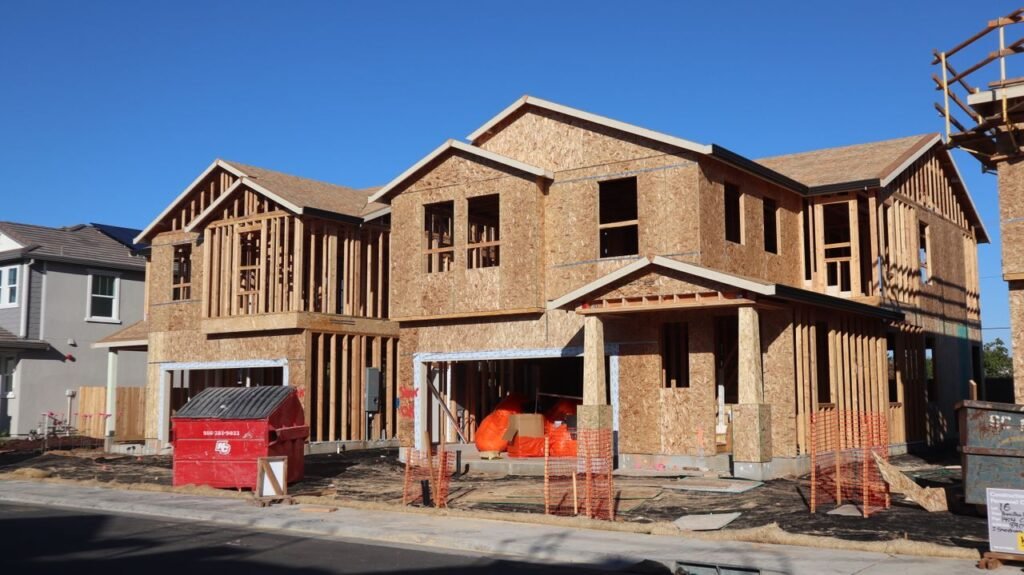
New-Build vs Resale Home
When it comes to investing in real estate, one of the fundamental choices you face is whether to opt for a new-build home or a resale property. New-build homes are properties constructed from scratch, often featuring the latest designs and technologies, while resale homes have had previous owners and may come with their own history and charm. Understanding the nuances of each option is crucial for making an informed investment decision.
New-build homes are typically purchased directly from developers and offer the allure of modern amenities, energy efficiency, and the chance to customize certain aspects to your taste. They often come with warranties that cover structural defects, providing peace of mind for new homeowners. However, these homes can sometimes come at a premium cost and may be located in developing areas that lack established community infrastructure. For many buyers, a well-chosen new build can be the best real estate investment thanks to its lower maintenance costs and long-term growth potential.
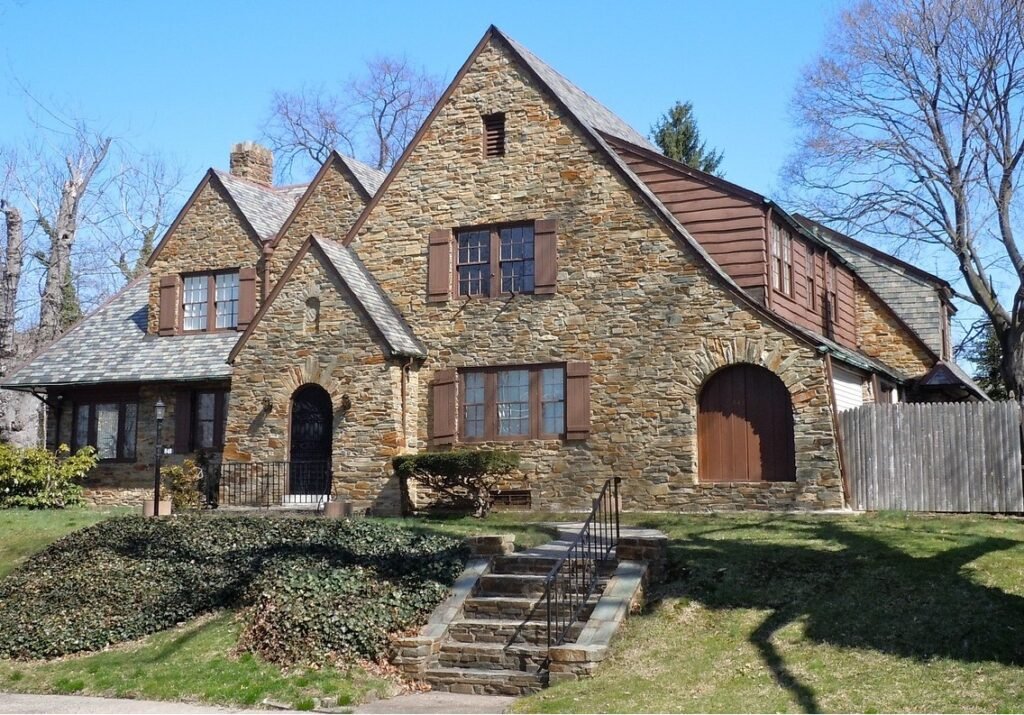
On the other hand, resale homes offer a glimpse into established neighborhoods, often with mature landscaping and a sense of community. These properties may require updates or renovations, which can add to the overall investment cost but also provide opportunities for value addition. Understanding your priorities, whether they lie in modern features or community charm, will guide your decision-making process.
Key Differences Between New-Build and Resale Homes
To determine which option suits your investment strategy, it is essential to recognize the key differences between new-build and resale homes. These distinctions can significantly impact your financial decisions and lifestyle preferences. If you would rather build than buy, professional House Construction Services in DHA Islamabad can help you create a custom home that fits your budget and design goals.
- Cost and Value:
- New-Build Homes: Typically, new-builds come with a higher price tag due to their modern amenities and energy-efficient features. However, they may offer better value through lower maintenance costs and potential tax credits for energy efficiency.
- Resale Homes: Often more affordable, resale homes may offer immediate equity if purchased below market value. However, they might require additional investment in repairs and updates.
- Location and Community:
- New-Build Homes: Frequently found in newly developed areas, these homes might offer less in terms of community amenities initially but can grow in value as the area develops.
- Resale Homes: Situated in established neighborhoods, resale properties often come with access to schools, parks, and other amenities that have already matured.
- Customization and Modern Features:
- New-Build Homes: Allow for customization in design and features, catering to modern tastes and technologies.
- Resale Homes: While offering unique character, these homes may not include the latest features and might require remodeling to meet modern standards.
Investment Potential: Analyzing New-Build Homes
Investing in new-build homes can be a lucrative opportunity if approached strategically. When analyzing the investment potential, consider factors such as location, developer reputation, and market trends.
- Location: The value of a new-build home can significantly appreciate if the area is expected to develop with new infrastructure, schools, and commercial centers. Research the area’s future growth plans to anticipate potential increases in property value.
- Developer Reputation: Choose a reputable developer with a track record of quality construction and timely project completions. This reduces risks associated with construction delays or defects, ensuring a smoother investment experience.
- Market Trends: Analyze current market conditions and demand for new homes in the area. A high demand can lead to rapid appreciation, while an oversupply might stagnate property values. Stay informed about housing market reports and forecasts.
Investing in new-build properties requires a thorough understanding of the local real estate market and careful consideration of the factors that contribute to long-term value growth. By doing so, you can position yourself for a successful investment.
Investment Potential: Analyzing Resale Homes
Resale homes can offer substantial investment potential, especially if you have a keen eye for recognizing undervalued properties and the willingness to invest in improvements. To maximize your returns, consider the following aspects:
- Property Condition: Evaluate the home’s structural integrity and any necessary repairs or upgrades. A well-maintained property might require minimal investment, while others may offer opportunities for value addition through renovations.
- Neighborhood Dynamics: Investigate the neighborhood’s growth trajectory, including recent sales trends, school quality, and crime rates. A desirable neighborhood can significantly boost the resale value of your property.
- Historical Appreciation: Research the property’s historical appreciation rates compared to similar homes in the area. This can provide insights into the potential for future value increases and guide your investment strategy.
Investing in resale homes often involves a balance of immediate cost savings and potential long-term gains through strategic improvements. By focusing on key factors like condition, neighborhood, and appreciation history, you can make informed decisions that align with your investment goals.
Factors to Consider When Evaluating Investment Potential
When weighing the investment potential of new-build versus resale homes, several factors should guide your decision. These considerations will help ensure that your investment aligns with both your financial goals and lifestyle preferences.
- Budget and Financing: Determine your budget and explore financing options that suit your financial situation. Understand the costs involved, including the down payment, mortgage rates, and any additional expenses such as closing costs and renovation budgets.
- Risk Tolerance: Assess your risk tolerance and investment horizon. New-build homes might carry risks associated with market fluctuations and area development, while resale homes may involve uncertainties related to renovations and maintenance.
- Lifestyle Needs: Consider your lifestyle and family needs when selecting between new-build and resale homes. If modern amenities and energy efficiency are priorities, a new-build might be more appealing. Conversely, if you value community and established surroundings, a resale home could be more suitable.
By evaluating these factors, you can make a well-rounded investment decision that aligns with your personal and financial objectives.
Pros and Cons of New-Build Homes
Understanding the advantages and disadvantages of new-build homes can help you make an informed decision. Here are some key pros and cons to consider:
Pros:
- Modern Amenities: New-build homes often come equipped with the latest technologies and energy-efficient features, reducing utility costs.
- Customization Options: You can select finishes, layouts, and other design elements to suit your preferences.
- Warranties: Typically, new-builds include warranties that cover structural defects, providing peace of mind for buyers.
Cons:
- Higher Initial Cost: The price of new-build homes is generally higher due to modern features and demand.
- Location: New developments might be in less established areas, with limited access to amenities initially.
- Potential Construction Delays: New-build projects can face delays, impacting your moving timeline and financial planning.
Weighing these pros and cons will ensure that you make a decision that aligns with your priorities and expectations.
Pros and Cons of Resale Homes
Resale homes also come with their own set of advantages and disadvantages. Understanding these can help you decide if a resale property aligns with your investment strategy.
Pros:
- Established Neighborhoods: Resale homes are often located in mature areas with developed amenities and landscapes.
- Potential for Immediate Equity: Buying a resale home at a lower price can offer immediate equity, especially if the market appreciates.
- Character and Charm: Older homes might offer unique architectural features and a sense of history.
Cons:
- Potential for Repairs: Resale homes may require updates or renovations, adding to the overall cost.
- Outdated Features: Some resale properties might lack modern amenities or energy efficiencies found in new-builds.
- Market Competition: Desirable resale homes in prime locations can attract competitive bids, driving up prices.
By understanding these pros and cons, you can better assess whether a resale property fits your investment goals and lifestyle needs.
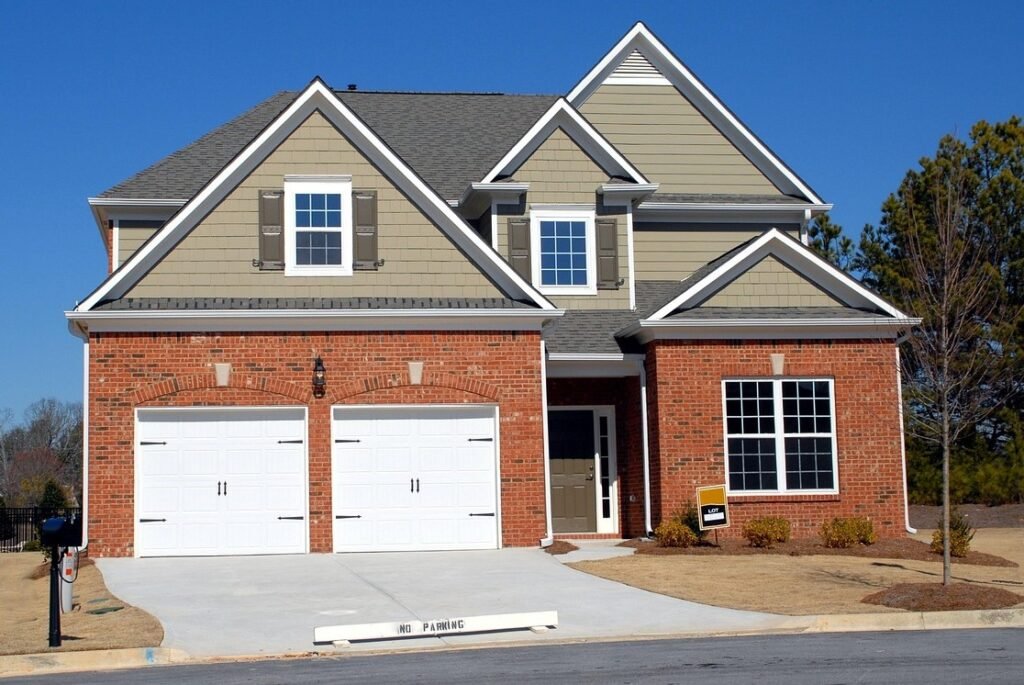
Market Trends: New-Build vs. Resale Homes
Keeping abreast of market trends is crucial for making informed investment decisions. The real estate market is dynamic, and the best low-fee real estate sales team can spot trends that can significantly impact the value of both new-build and resale homes.
- Demand Shifts: In recent years, there has been a notable shift towards new-build homes due to their modern features and energy efficiency. However, resale homes continue to attract buyers seeking character and community.
- Price Trends: New-build homes often see price increases due to construction costs and demand for modern amenities. Resale homes might offer more competitive pricing but can appreciate significantly in highly sought-after neighborhoods.
- Economic Indicators: Factors such as interest rates, employment rates, and economic stability influence the housing market. A strong economy can boost demand for both new-build and resale homes, while economic downturns may lead to slower market activity.
Staying informed about market trends will help you navigate the complexities of real estate investments and make decisions that align with prevailing conditions.
Financing Options for New-Build and Resale Homes
Financing your home purchase is a critical step in the investment process. Understanding your options can help you secure the best terms and rates for your financial situation.
- Conventional Mortgages: Both new-build and resale homes can be financed through traditional mortgages, which offer fixed or adjustable rates. It’s essential to shop around for the best interest rates and loan terms.
- Construction Loans: For new-build homes, construction loans might be necessary to cover the costs of building from the ground up. These loans can be more complex and may require higher interest rates during construction.
- Government-Backed Loans: Programs like FHA, VA, and USDA loans can provide favorable terms for qualified buyers. These loans often require lower down payments and can be used for both new-build and resale homes.
Exploring these financing options and understanding their implications will ensure that you choose the most suitable path for your home investment.
Conclusion: Making an Informed Decision
Investing in real estate, whether through new-build or resale homes, requires careful consideration of various factors. By understanding the differences, evaluating investment potential, and weighing the pros and cons, you can make a decision that aligns with your financial goals and lifestyle preferences.
In conclusion, both new-build and resale homes offer unique opportunities for smart buyers. Your choice should reflect your personal priorities, risk tolerance, and long-term investment strategy. Keep abreast of market trends, explore financing options, and assess the potential for appreciation to maximize your investment’s success.
New-Build vs. Resale Homes: Which Offers Better Investment Potential | OutFactors – Dallas Fort Worth, TX


