

The Future of Smart Homes: Integrating Tech into Interior Design Seamlessly
The Future of Smart Homes: Integrating Tech into Interior Design Seamlessly
The Smart Home Revolution
The evolution of technology in our daily lives has radically transformed how we interact with our environments. One of the most prominent shifts is the rise of the smart home—a concept that integrates cutting-edge technology with everyday living spaces to enhance convenience, efficiency, and comfort. While smart homes were once considered a futuristic concept, they are now becoming increasingly accessible and widely adopted. As technology continues to evolve, interior design is also adapting, with smart home devices being seamlessly integrated into the aesthetic and functional aspects of home spaces.
This integration of technology and design goes beyond just adding gadgets or devices to a room; it is about creating a living environment where technology enhances the overall experience, ensuring that it is as visually appealing as it is functional. In this article, we will explore how the future of smart homes is transforming interior design and how technology can be embedded into the home environment without compromising on style, comfort, or usability.
The Rise of Smart Homes
A smart home refers to a living space that uses internet-connected devices to remotely control systems and appliances, such as lighting, heating, air conditioning, security, and entertainment. These devices are often controlled through smartphone apps, voice assistants, or home automation systems. The future of smart homes promises even greater levels of connectivity, with technologies like artificial intelligence (AI), the Internet of Things (IoT), and 5G networks making their way into the mainstream.
One of the main advantages of a smart home is its ability to make life more convenient. For instance, smart thermostats can automatically adjust the temperature based on your preferences, smart lighting can be customized to suit the time of day or activity, and security systems can be monitored remotely for peace of mind. These systems help streamline everyday tasks and make living in a smart home more comfortable and efficient.
However, with all these technological advances comes a new challenge: how to integrate these devices into our homes in a way that complements existing interior design trends and doesn’t overwhelm the aesthetics of a space. As the demand for smart home solutions grows, the relationship between technology and interior design is becoming more complex, but also more exciting.
A Seamless Blend of Tech and Interior Design
For many homeowners, the main concern when incorporating smart devices into their homes is ensuring that the technology doesn’t clash with the interior design. After all, technology can sometimes appear bulky or out of place when it doesn’t match the design language of the room. The future of smart homes lies in creating solutions that blend effortlessly with the space’s existing aesthetic.
One way designers are achieving this is by creating invisible technology—devices that are incorporated directly into the architecture or furniture of a home. For example, smart lighting systems can be hidden in the ceilings or under cabinets, making the technology invisible to the naked eye while still providing efficient, customizable lighting. Similarly, smart speakers and sound systems can be embedded into walls or furniture, blending into the design of a room while still offering exceptional sound quality.
In the future, smart appliances will be seamlessly integrated into kitchen countertops, bathrooms, and living areas. For example, smart refrigerators may feature sleek touchscreens and hidden compartments, allowing homeowners to monitor and control the appliance remotely. Smart mirrors with embedded screens could display weather updates or act as digital assistants while blending into the design of a modern bathroom.
The key to integrating technology into interior design lies in maintaining a balance between functionality and aesthetics. Technology should complement the space, not dominate it. With the continued development of more discreet and stylish smart devices, interior designers can incorporate these technologies in ways that feel intuitive and natural to the home’s design.
Smart Home Systems: Control at Your Fingertips
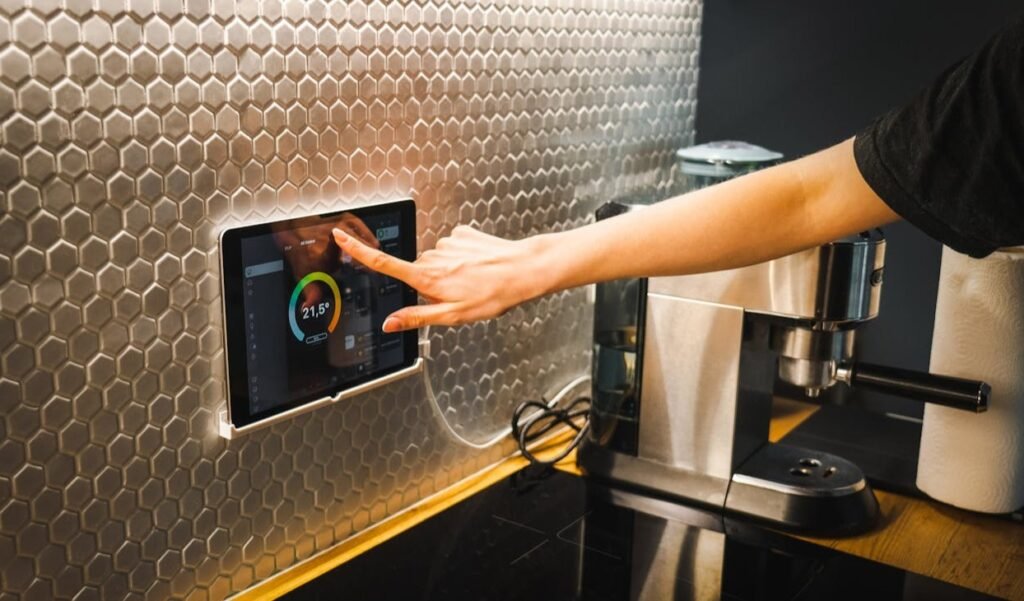
One of the cornerstones of a smart home is the ability to control all devices from a single platform, whether that’s through a mobile app or a voice assistant. Smart home systems such as Amazon Alexa, Google Home, and Apple HomeKit enable homeowners to manage a range of devices from one central hub. These systems allow users to control their lighting, temperature, security cameras, and even entertainment systems with a simple voice command or a tap on a smartphone screen.
Interior design plays a pivotal role in how these systems are implemented within the home. Designers are increasingly working with tech companies to ensure that the design of control panels, smart hubs, and sensors complements the aesthetics of the home. For instance, smart thermostats like the Nest Thermostat are available in sleek, minimalistic designs that blend effortlessly with modern interiors. Similarly, smart light switches and outlets come in designs that match the materials and finishes of a home, making the technology less conspicuous.
Incorporating a smart home system into a space requires careful planning. For example, designers often position voice assistants like Amazon Echo or Google Home in central locations where they are easily accessible but not intrusive. The smart devices are often hidden in custom cabinetry or built into furniture pieces, making them part of the room’s design rather than standing out as tech gadgets.
Moreover, designers are taking a more holistic approach to incorporating smart systems. For example, entire homes are being built with integrated smart technology in mind from the start. Smart home wiring is included in the design phase, and homes are pre-wired to accommodate the seamless integration of technology. This level of integration allows for a clean and unified look, as the home’s technology infrastructure is designed alongside its interior design.
Personalized Experiences Through Technology
One of the most exciting aspects of smart homes is the ability to create personalized experiences based on individual preferences. With the help of AI and machine learning, smart devices are becoming increasingly adept at learning user behavior and adapting to it over time. For instance, a smart thermostat can learn your preferred temperature settings and adjust the heating or cooling system accordingly. Similarly, smart lighting systems can change the ambiance of a room based on the time of day or your activities.
Incorporating these personalized experiences into interior design allows homeowners to tailor their environment to their exact needs. Lighting can be adjusted for different moods or activities, such as reading, entertaining, or relaxing. Sound systems can create immersive audio experiences by adjusting volume and direction based on room layout. Smart shades can automatically adjust to provide privacy or allow natural light into the room at specific times of day.
Personalized experiences go beyond just comfort and convenience; they also contribute to a more energy-efficient home. Smart thermostats, lighting, and other devices help homeowners optimize energy usage, reducing waste and lowering utility bills. For instance, lights that automatically turn off when a room is empty, or thermostats that adjust based on your presence, reduce energy consumption without sacrificing comfort.
The Role of Sustainability in Smart Home Design
As sustainability becomes an increasing priority for homeowners, smart homes are playing an important role in promoting eco-friendly living. Smart technologies enable homeowners to reduce their environmental footprint by optimizing energy consumption, conserving water, and minimizing waste. For example, smart irrigation systems can monitor weather patterns and adjust water usage accordingly, while smart thermostats can reduce heating and cooling costs by ensuring that energy is used efficiently.
Interior design is also adapting to this focus on sustainability. Many smart home products are now being designed with eco-friendly materials, such as recycled plastics and low-impact finishes. Additionally, designers are increasingly choosing materials that are both stylish and sustainable, allowing homeowners to create beautiful, energy-efficient spaces.
The Future of Smart Homes in Interior Design
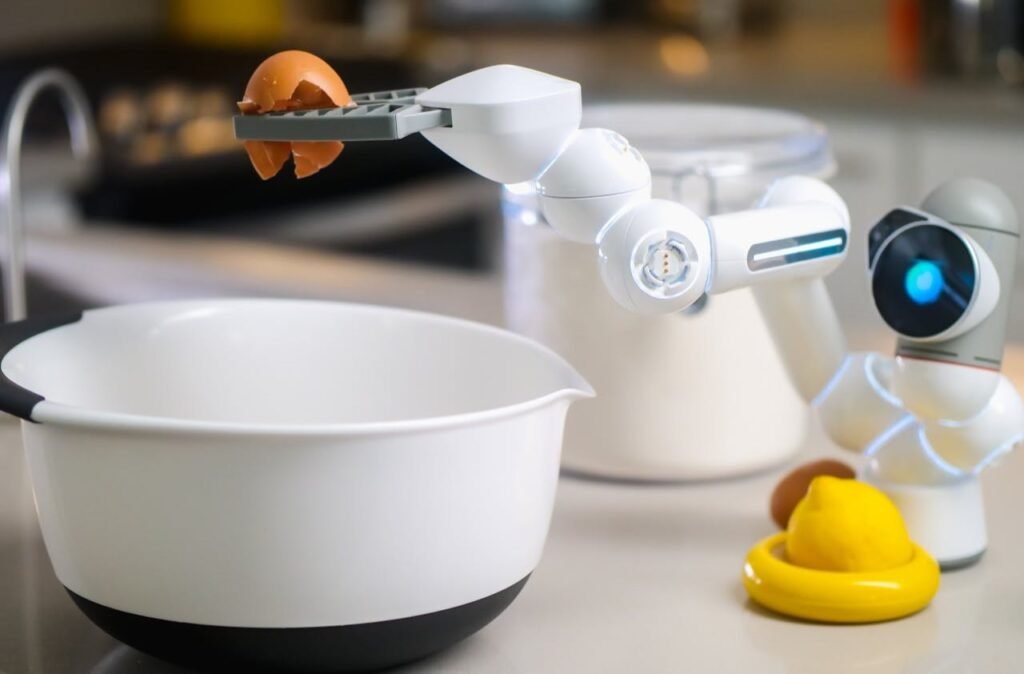
Looking ahead, the future of smart homes will see even more seamless integration of technology into our living spaces. Artificial intelligence (AI) will play a significant role in shaping the future of smart homes. AI will enable devices to learn and adapt to individual preferences even more efficiently, creating a truly personalized living experience. As AI continues to evolve, we can expect even more intuitive and human-centric designs in the home.
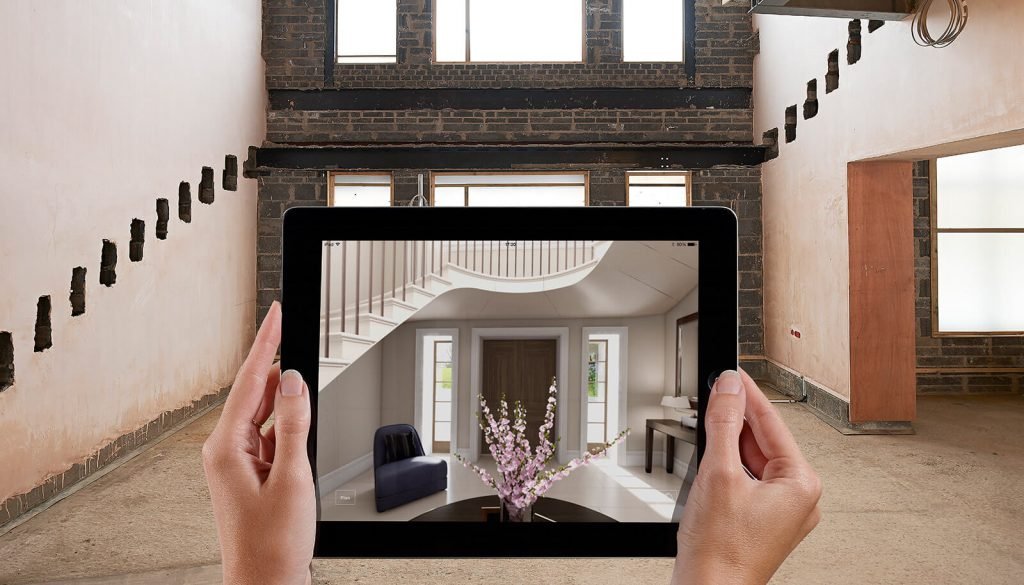
Another exciting development is the rise of augmented reality (AR) and virtual reality (VR) in interior design. These technologies allow homeowners to visualize smart home systems in their spaces before making any physical changes. For instance, a homeowner could use AR to see how a smart lighting system would look in their living room or test out different design layouts using VR. These tools will revolutionize the way smart homes are designed and personalized.
The future of smart homes is undeniably exciting. As technology becomes more sophisticated and integrated into the design of our living spaces, smart homes will no longer feel like futuristic concepts but rather a natural extension of modern interior design. By blending the practical benefits of smart technology with the aesthetic and functional principles of interior design, smart homes will offer homeowners a seamless, personalized, and sustainable living experience.
Conclusion: The Future is Smart Homes
The future of smart homes is a harmonious fusion of technology and interior design. As smart home devices become more advanced and integrated into the fabric of our homes, the possibilities for creating personalized, efficient, and aesthetically pleasing living spaces are endless. By focusing on seamless integration, sustainability, and user experience, interior designers and tech innovators are paving the way for a smarter, more connected future. Whether it’s through invisible technology, personalized settings, or eco-friendly solutions, the future of smart homes will not only make our lives more convenient but will also enhance the way we interact with the spaces we live in.
The Future of Smart Homes: Integrating Tech into Interior Design Seamlessly | OutFactors – Dallas Fort Worth, TX


