Transforming Residential Spaces with Durable and Stylish Flooring Options
Transforming Residential Spaces with Durable and Stylish Flooring Options
Quick Snapshots
“Want to enhance your home’s look without compromising on durability? The perfect flooring choice can transform your space while handling everyday wear. From cozy hardwood to sleek tiles, discover how the right flooring creates a stylish, lasting impact. Looking for a floor built to last?”
A Strong Floor Changes How a Home Feels
Flooring is the largest visible surface in most homes. It sets the tone before anyone notices furniture or decor. A warm wood grain can make a space feel inviting. A clean tile pattern can make a room look bright and organized.
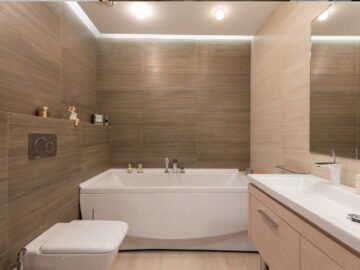
A durable floor also supports daily life. It handles foot traffic, kids playing, pets running, and frequent cleaning. Ceramic tiles are particularly great for these high-traffic areas, offering both beauty and durability that can withstand daily wear and tear.
Style and durability can work together. Modern manufacturing offers realistic textures, strong wear layers, and moisture-resistant cores. You no longer need to pick beauty over performance. This article will help you choose flooring that looks refined, lasts longer, and suits real residential routines.
What “Durable” Should Mean in a Real Home
Durability is not only about hardness. A durable floor resists scratches, dents, stains, moisture damage, and fading. It also stays stable when temperatures change.
Think about your daily patterns. Do you cook often and spill water? Do you have heavy furniture or rolling chairs? Do you clean frequently with a mop? These details matter more than a product label.
Durability also includes repair options. Some floors allow refinishing or replacement with planks. Others require full replacement when damaged.
Finally, durability should match the room. A hallway needs strong wear resistance. A bedroom needs comfort and quiet more than heavy-duty protection. When you define durability by room, you choose smarter and spend better.
Style Starts With a Clear Design Direction
Stylish flooring does not mean trendy. It means consistent and intentional. Start by picking a direction: classic, modern, rustic, minimalist, or transitional.
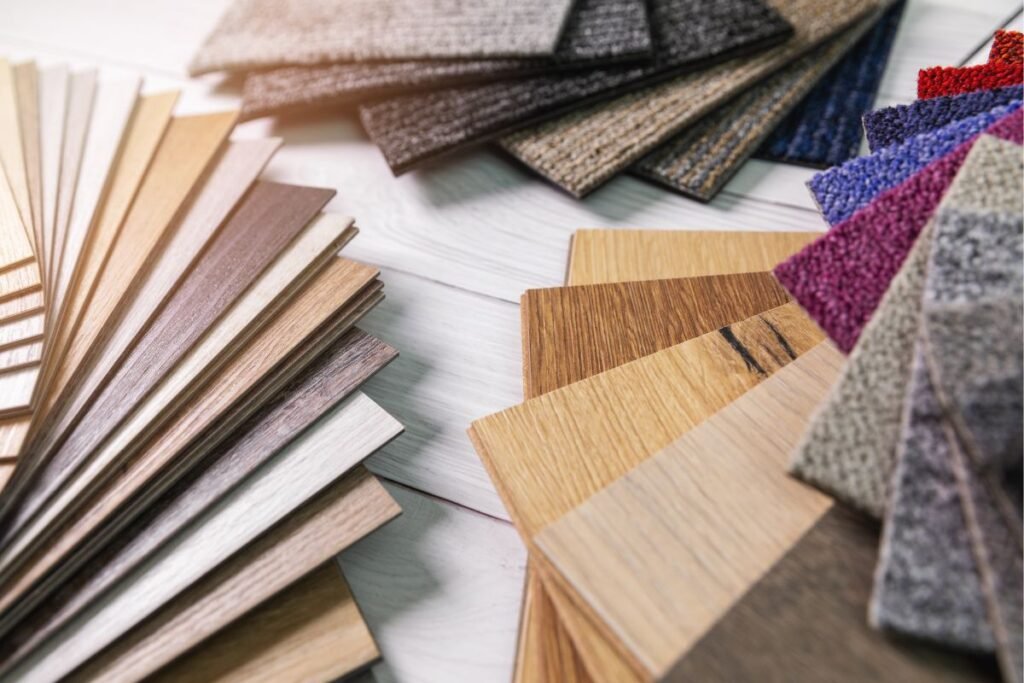
Then choose your base tone. Warm tones (honey, walnut) feel cozy. Cool tones (gray, ash) feel modern. Neutral mid-tones suit many styles and age well.
Also consider plank width and pattern. Wide planks can make rooms look larger. Herringbone adds visual detail but needs precise installation. Large-format tile can reduce grout lines and feel more seamless.
Lighting matters too. Natural light can highlight grain and texture. Artificial light can change how undertones appear. Test samples in your space before you commit.
Solid Hardwood: Timeless Beauty With Long-Term Value
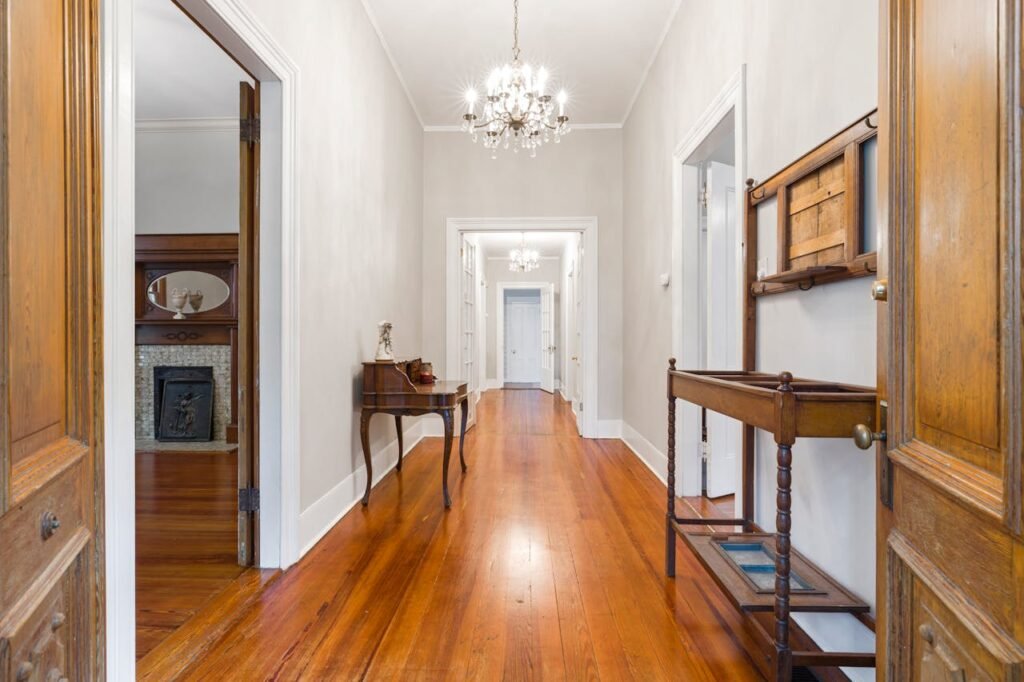
Solid hardwood remains a premium choice in residential design. It offers natural warmth, strong resale appeal, and a surface that can often be refinished multiple times. On average, solid hardwood floors can last 30-100 years with proper care, depending on the species. This makes it an excellent investment for homeowners looking to build long-term value.
Hardwood performs best in living rooms, dining rooms, bedrooms, and hallways. It can last for decades with correct care. You can refresh its look by sanding and refinishing instead of replacing the whole floor.
Still, hardwood needs respect. It can be scratched by grit, pet nails, and dragged furniture. It can also react to moisture. Standing water and high humidity can cause swelling or cupping. In terms of cost, hardwood can range from $3 to $12 per square foot, with higher-end finishes like walnut or cherry reaching the upper end of the spectrum.
Engineered Hardwood: Wood Style With Better Stability
Engineered hardwood gives you real wood on top with layered support beneath. This structure helps it stay stable when humidity shifts. Many homeowners choose it for a wood look with less risk of movement.
On average, engineered hardwood lasts 20-40 years, and it’s a more cost-effective option than solid hardwood, costing $2-$8 per square foot. Engineered wood fits well in apartments and modern homes where indoor conditions change across seasons. It also works over concrete slabs in many cases, when installed correctly.
Wear performance depends on the top layer thickness and finish quality. A thicker top layer can allow refinishing, while a thinner layer may not. Always check the product’s wear layer details before buying.
Engineered hardwood also offers wide style options, including matte finishes and modern stains. If you want a refined wood aesthetic but worry about expansion and contraction, engineered hardwood often provides a strong balance. This is a great alternative at a reasonable price that adds value when you want to sell your home for top dollar.
Luxury Vinyl Plank and Tile: High Performance With Modern Style
Luxury vinyl plank (LVP) and luxury vinyl tile (LVT) have become leading choices for busy households. They offer strong water resistance, easy cleaning, and a wide range of realistic designs. LVP and LVT can last 10-20 years, making them a budget-friendly and durable option for areas with high foot traffic and moisture.
Many products include a protective wear layer that helps resist scratches and scuffs. This feature makes vinyl appealing for homes with kids and pets. It also suits kitchens, basements, and entryways where moisture and dirt are common.
Vinyl can feel softer underfoot than tile, which improves daily comfort. Some options include attached underlayment to reduce noise.
Still, quality varies. Thicker cores and stronger wear layers usually perform better. A stable subfloor and proper installation also matter. When installed well, luxury vinyl can deliver a clean, stylish look while handling real household stress with confidence.
Laminate: Budget-Friendly Style That Keeps Improving
Laminate flooring offers strong visual appeal at a competitive cost. Modern laminate can look realistic, with textured surfaces and improved print quality. Many homeowners use it to achieve a wood look without paying a premium.
Laminate resists surface scratches well, which suits active homes. It also installs quickly in many cases, often as a floating floor system.
However, laminate can be sensitive to moisture, especially at seams. Newer water-resistant lines reduce this risk, but you still need careful cleaning. Avoid soaking the floor with water. Clean with a lightly damp mop rather than soaking the floor with water.
Laminate also feels firmer underfoot compared to vinyl. Pair it with a quality underlayment for better comfort and sound control. If you want an upgraded look on a strict budget, laminate can be a practical option when chosen thoughtfully. This is a good alternative when trying to sell your home quickly, but you want to limit the amount you invest to make the home market-ready.
Porcelain and Ceramic Tile: Clean, Durable, and Timeless
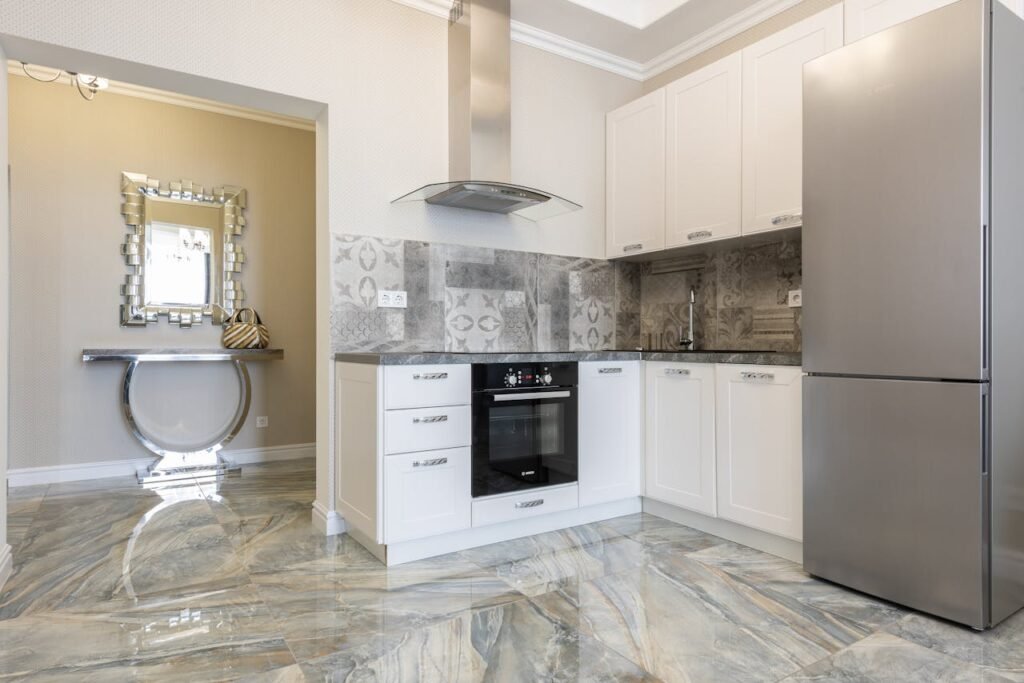
Tile is one of the most durable flooring options for residential spaces. It resists water, stains, and heat. It also works well in bathrooms, kitchens, laundry rooms, and entryways.
Porcelain is typically denser than standard ceramic, which often makes it more suitable for heavy traffic. Tile also supports radiant heating systems, which can improve comfort in colder seasons.
Design flexibility is a major advantage. You can choose stone looks, wood looks, patterns, and large-format styles. A well-chosen tile can feel modern and refined for many years.
Tile does have trade-offs. It can feel cold and hard underfoot without heating or rugs. Grout lines can collect dirt if not sealed and cleaned. If you want a long-lasting, polished look in moisture-prone rooms, tile remains a strong and reliable choice.
Natural Stone: Premium Character With Careful Upkeep
Natural stone flooring brings unique texture and natural variation. Marble, travertine, slate, and limestone can create a high-end look that feels distinctive. No two tiles look exactly the same, which adds character.
Stone can last for many years, but it needs correct care. Many stone types are porous. They can absorb stains if not sealed. Some stones also scratch or etch when exposed to acidic liquids.
Stone works best in spaces where you can maintain it well, such as formal areas or low-mess zones. Choose finishes that match your lifestyle. Honed or textured finishes can hide small marks better than glossy finishes.
If you want a luxury statement and accept routine sealing and mindful cleaning, natural stone can transform a space with elegance that synthetic materials often cannot fully replicate.
Bamboo and Cork: Natural Options With Comfort Benefits
Bamboo and cork appeal to homeowners who want natural materials and a softer feel. Bamboo can look like hardwood, with clean lines and modern color options. Cork offers a warm, cushioned surface that supports comfort and quieter steps.
Bamboo’s durability depends on its construction. Some engineered bamboo products perform well in high-traffic homes, while low-quality options can dent more easily. Check the product’s build and finish rather than relying on the name alone.
Cork works well in bedrooms, home offices, and playrooms because it reduces noise and feels gentle underfoot. It can resist minor impacts, but it needs protection from sharp objects and excessive moisture.
Both materials benefit from proper sealing and careful cleaning. If you value comfort and a natural look, these options can offer a fresh alternative to traditional wood and tile.
Polished Concrete and Terrazzo: Modern, Durable Statements
Concrete flooring creates a clean, modern feel that suits minimalist and industrial design styles. When sealed and finished properly, it can resist wear and handle high-traffic areas well. It also pairs well with underfloor heating.
Terrazzo uses chips of stone or glass set into a binder, then polished to a smooth finish. It delivers a refined look with strong durability and a distinctive pattern. Many homeowners choose terrazzo for entryways or open-plan spaces where they want visual impact.
These floors can feel hard, so comfort planning matters. Rugs and soft furnishings help balance the space. Repairs can also require specialist work, depending on the finish.
If you want flooring that feels architectural and long-lasting, concrete and terrazzo can elevate a home’s style with a bold, contemporary identity that is appealing to home buyers and investors.
Carpet and Area Rugs: Warmth, Comfort, and Sound Control
Carpet remains useful in residential design, especially in bedrooms and upstairs areas. It adds warmth, improves comfort, and reduces noise. This benefit matters in multi-level homes and apartments.
Modern carpets also offer stain-resistant fibers and improved backing systems. You can select low-pile styles for easier cleaning or plush styles for maximum softness.
Carpet does require ongoing care. It can trap dust and allergens if not vacuumed regularly. Spills need prompt cleaning to prevent stains. In high-traffic zones, carpet can show wear faster than hard flooring.
Area rugs offer another approach. You can use durable hard flooring underneath and add rugs for softness and style. Rugs also let you update a room’s look without changing the entire floor. Use rug pads for stability and safer walking.
Room-by-Room Flooring Strategy for Better Results
A smart flooring plan respects how each room functions. Here’s how:
– Kitchens need moisture resistance and easy cleaning, so vinyl or tile often works well.
– Bathrooms require strong water performance, so tile remains a leading choice.
– Bedrooms focus on comfort and quiet. Carpet, cork, or wood with an underlayment can support better rest.
= Living rooms need style and durability, so hardwood, engineered wood, or quality vinyl can fit well.
– Basements need moisture awareness. Vinyl, tile, or sealed concrete often performs better than solid wood.
– Entryways face dirt, grit, and wet shoes, so choose materials that handle abrasion and water.
Open-plan homes benefit from visual continuity. Use one main flooring type and adjust with rugs or transitions where needed. This approach can make spaces feel larger and more cohesive while still meeting practical needs.
Color, Texture, and Finish: Small Choices that Shape the Whole Space
Color influences how large and bright a room feels. Light floors can open up small spaces and reflect more light. Dark floors can feel elegant but may show dust and scratches more easily.
Texture adds realism and improves grip. A textured wood look can hide minor marks better than a glossy finish. Matte finishes often feel modern and reduce glare.
Consider sheen carefully. High-gloss surfaces reflect light strongly and can highlight imperfections. Satin and matte finishes offer a softer appearance and often suit busy households.
Patterns and direction matter too. Laying planks lengthwise can make a room feel longer. Diagonal layouts can add interest but may increase waste and installation time.
Choose details that support your lifestyle. A beautiful floor should still feel easy to live with. When finished and textures match your daily routines, your home looks polished without feeling fragile.
Installation Choices: How the Method Affects Durability and Cost
Installation impacts how long the flooring lasts. A high-quality product can fail if installed poorly. Focus on subfloor preparation, leveling, and correct moisture control.
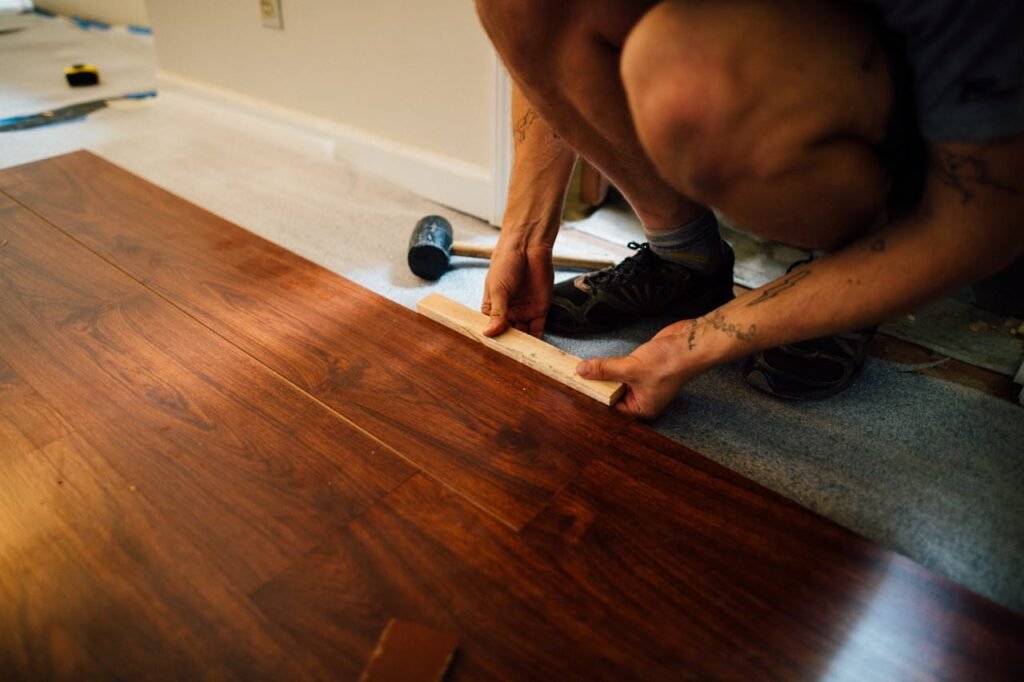
Floating floors (common with laminate and many vinyl planks) install faster and can reduce labor costs. Glue-down systems can improve stability and reduce movement in some spaces. Nail-down and staple-down methods often apply to wood floors and can provide a classic feel.
Tile and stone require strong preparation and correct setting materials. Grout selection and sealing also affect long-term performance.
Professional installation often costs more, but it can prevent expensive issues later. If you choose DIY, follow the manufacturer’s instructions closely and use the right tools. Good installation protects your investment, improves comfort underfoot, and reduces issues such as gaps, noise, and uneven wear.
Daily Care that Keeps Floors Looking New
Simple routines extend flooring life, like:
– Start with dirt control.
– Use mats at entry points and remove grit before it scratches surfaces.
– Clean floors frequently, focusing extra attention on high-traffic zones.
– Use gentle cleaning methods. Many floors respond best to a damp mop and a cleaner made for that surface.
– Avoid harsh chemicals that can damage finishes or leave residue.
– Protect floors from furniture damage. Add felt pads beneath chair and table legs to protect the surface.
– Use protective mats under rolling office chairs. Lift heavy furniture instead of dragging it.
– Control moisture and sunlight. Wipe spills quickly. Use blinds or curtains to reduce strong sun exposure that can fade some materials.
– Plan periodic maintenance. Re-seal grout or stone when needed.
– Refresh protective coatings as recommended.
Consistent care does not need to be complex, but it makes a visible difference over time.
Comfort, Indoor Air Quality, and Noise: Often Overlooked but Essential
A floor should support comfort, not only style. Hard surfaces can feel firm, so underlayment and rugs can help. In colder climates, radiant heating or insulating underlayment can improve warmth.
Noise control matters in family homes. Carpet, cork, and padded underlayment reduce sound. Vinyl with a quality backing can also lower footstep noise. This factor becomes critical in apartments and upstairs rooms.
Indoor air quality deserves attention. Some adhesives and finishes release odors or compounds during installation. Look for low-emission products when possible, and ventilate your home well during and after installation.
Slip resistance also affects safety, especially in bathrooms and entryways. Textured tile or slip-resistant surfaces reduce risk. When you evaluate flooring, include how it feels and sounds, not only how it looks.
Sustainability and Long-Term Value: Choosing with Purpose
Sustainability can mean many things: responsible sourcing, long product life, repairability, and low emissions. A floor that lasts longer often reduces waste because you replace it less often.
Wood flooring can offer long-term value when sourced responsibly and maintained well. Engineered options can also reduce wood use while preserving a real-wood surface. Bamboo and cork renew quickly, but performance depends on manufacturing quality.
Tile and stone can last for decades, which supports long-term sustainability. Vinyl and laminate vary widely, so focus on durability, emissions, and expected lifespan.
Value also includes resale appeal. Many buyers appreciate flooring that looks clean, cohesive, and well-maintained. When you invest in the right floor for each room, you build a home that feels better now and holds its value later.
Common Flooring Mistakes that Reduce Results
Many homeowners choose flooring based only on appearance. This choice can cause regret when the material does not match real use. Always consider moisture, pets, cleaning habits, and traffic before style details.
Another mistake is skipping subfloor preparation. Uneven surfaces lead to movement, noise, and premature wear. Moisture testing matters too, especially over concrete.
Some people ignore transitions and trim. Poor edge finishing can make a new floor look incomplete. Plan thresholds, baseboards, and stair details early.
Buying the cheapest option often costs more later. Low-grade flooring may wear faster and show damage sooner. Spend wisely on wear layers, finishes, and professional installation when needed.
Finally, avoid rushing. Order samples, view them in your lighting, and compare performance features. A measured decision produces a floor that feels right for years.
Conclusion: A Practical Path to a More Beautiful Home
Flooring transforms residential spaces because it influences comfort, style, and daily function. The smartest option doesn’t always come with the highest price tag. It is the option that fits your rooms, routines, and design goals.
Start with a plan. Define your priorities for each space: water resistance, scratch resistance, softness, noise control, and visual style. Then select materials that meet those needs without overcomplication. Invest in proper installation and simple maintenance habits. Protect your surfaces from grit, moisture, and furniture damage. These steps keep floors looking refined for longer.
When you choose durable and stylish flooring with clear intent, your home gains more than a new surface. It gains a stronger foundation for everyday living, a cleaner visual flow across rooms, and a design upgrade that visitors notice immediately. Are you ready to create a space that works for you and wows your guests? Choose the right flooring and let your home make the lasting impression it deserves!!!
Transforming Residential Spaces with Durable and Stylish Flooring Options | OutFactors – Dallas Fort Worth, TX