
Enhancing Property Security with Smart Surveillance Systems
Enhancing Property Security with Smart Surveillance Systems
30 seconds summary
● Smart surveillance systems enhance property security by using advanced technologies like AI, motion detection, and remote monitoring.
● These systems offer real-time alerts, facial recognition, and automated responses, making it easier to detect and deter potential threats. They integrate with mobile devices, allowing homeowners and businesses to monitor properties from anywhere.
● Additionally, smart cameras and sensors provide detailed footage and analytics, improving both safety and response times. Overall, these systems provide more efficient, reliable, and proactive security compared to traditional methods.
In an age where technology continues to reshape every aspect of daily life, property security has evolved far beyond simple locks and alarms. Leveraging the power of smart surveillance systems enables homeowners and property managers to create a proactive, interconnected, and efficient security ecosystem. Smart home security, which includes features like real-time alerts, facial recognition, and motion detection, helps provide advanced protection by enabling remote monitoring and automated responses. This article explores the multitude of facets involved in enhancing property security through smart surveillance, including why it matters, the components involved, how to plan and implement a system, best practices, challenges & risks, and future directions.
Why It Matters
There are several key reasons that upgrading to smart surveillance makes sense for property security:
Growing Threat Environment
Traditional security measures, mechanical locks, static alarms, and maybe an analog CCTV feed are no longer sufficient in the face of modern threats. Burglary, vandalism, unauthorized entry, and even more subtle risks like internal theft or service-provider misbehavior require more dynamic responses. A smart system gives timely, actionable information rather than waiting for something to go wrong.
Shift from Passive to Proactive
Older systems were largely reactive (an alarm sounds after entry), but smart surveillance enables proactive monitoring. For example, motion sensors trigger real-time alerts, cameras start recording, and analytics help detect unusual activity before it escalates. The ability to prevent incidents rather than just responding to them makes smart surveillance an essential tool for modern security and is a coveted feature of home buyers.
Improved Convenience and Oversight
Smart home security systems allow users to monitor and control their property remotely. Whether a homeowner is on vacation or a property manager oversees multiple units, they can check live feeds, receive alerts when sensors are triggered, and control the system via a mobile app. This ability to manage security remotely offers immense convenience and peace of mind to homeowners and single-family home investors.
Deterrence and Evidence
Visible cameras and sensors act as deterrents, as potential intruders are less likely to target a property if they know it’s being monitored. In case of a security breach, recorded footage provides crucial evidence for investigations, insurance claims, or law enforcement. This added layer of accountability is one of the major advantages of integrating smart surveillance.
Integration with Broader “Smart” Ecosystem
Smart surveillance systems are often part of a wider smart home or smart property ecosystem. These systems integrate seamlessly with other devices like smart locks, lighting, and environmental sensors (such as smoke and carbon monoxide detectors). This integration strengthens the overall security infrastructure and provides a more comprehensive solution for property protection.
Components of a Smart Surveillance System
A well-designed smart surveillance system incorporates a variety of hardware, software, and services that work together to provide a robust security solution. These components include:
Cameras
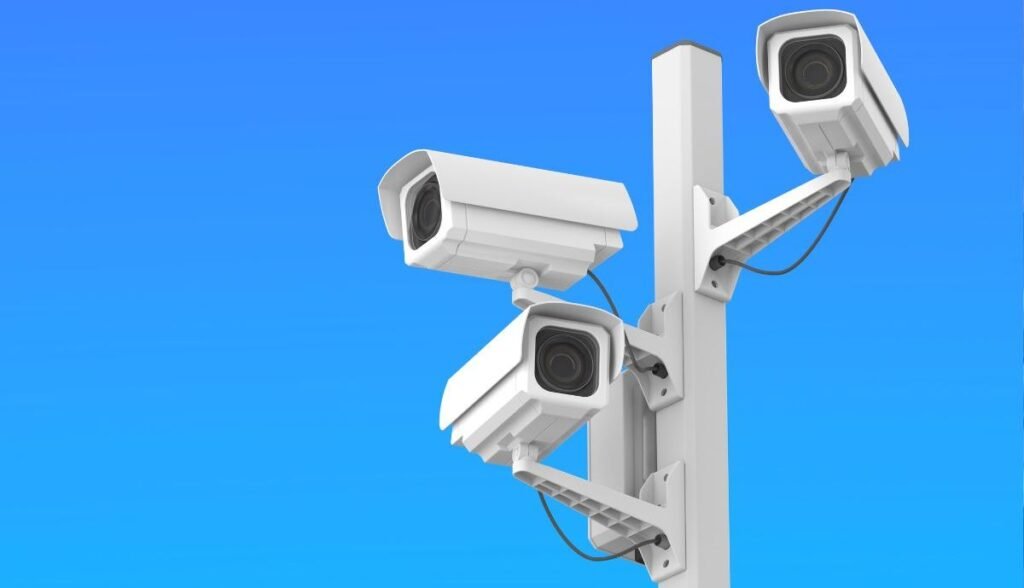
High-definition cameras, often IP/network cameras, are the core of any smart surveillance system. They provide real-time video feeds, and with advances in technology, many offer remote access, higher resolution, and night vision capabilities. These cameras can be placed both indoors and outdoors, covering key areas such as entry points, driveways, and parking lots.
Sensors and Detectors
In addition to cameras, various sensors enhance the effectiveness of smart surveillance. Motion detectors, door/window sensors, glass-break detectors, and environmental sensors (e.g., smoke or flood sensors) can all be integrated into the system. These devices send alerts when they detect activity or hazards, helping to further secure the property and enabling real-time responses. This is especially appealing to real estate investors.
Control Hub/System Management Platform
The control hub is the “brain” of the surveillance system. This platform coordinates the cameras, sensors, and alerts. It enables users to manage devices, configure automation rules (e.g., “if motion is detected after 10 PM, send an alert”), and view footage remotely. This hub may be cloud-based or on-site, depending on the system design.
Mobile App/Remote Monitoring
A key advantage of smart surveillance is the ability to monitor the system remotely. Mobile apps allow property owners or managers to view live video feeds, receive notifications when sensors are triggered, arm or disarm the system, and access recorded footage. This remote access capability is one of the biggest selling points of smart surveillance systems.
Storage & Video Management
Smart surveillance systems require storage for recorded footage. This can be done using local DVRs (digital video recorders) or NVRs (network video recorders) or through cloud-based storage. Some systems offer both options, and users can decide based on their needs for access, capacity, and redundancy. Video management systems allow users to organize, search, and retrieve footage efficiently.
Smart Integration & Ecosystem Support
Smart surveillance systems often integrate with other smart devices in a property, such as smart locks, lighting, and alarms. This creates a more cohesive security system that can respond automatically to events (e.g., turning on lights when motion is detected) and allow for a seamless experience.
Analytics and AI
Incorporating analytics and AI into a surveillance system can help improve its efficiency and accuracy. For example, AI-based systems can detect unusual behavior patterns, such as someone loitering near a door, or use facial recognition to identify individuals. These features can reduce false alarms and make the system smarter, providing more actionable insights.
Alerts and Notification Systems
When a sensor is triggered or a camera detects unusual activity, the system sends alerts. These can be in the form of push notifications, text messages, emails, or even phone calls. The alerts allow users to respond quickly, either by viewing the footage, contacting authorities, or taking other necessary actions.
Physical Deterrents & Alarms
Many smart surveillance systems include additional deterrents, such as sirens or strobe lights, which can be triggered when an intrusion is detected. These devices act as immediate deterrents, alerting the property owner or manager and alarming potential intruders that their activity is being monitored. Having a home with these features is important when looking to sell your home.
Planning & Implementation
Successfully implementing a smart surveillance system requires careful planning. The following steps are crucial to ensuring a smooth and effective installation:
Assessment of Needs
Before implementing a smart surveillance system, assess the property’s security needs. Consider factors such as the property size, location, number of entry points, and risk factors. Is the goal to monitor a single-family home, an office building, or a large commercial complex? Defining your security objectives will help determine the type and number of devices needed.
Defining Security Goals and Smart Integration
Clearly define the security goals you want to achieve. For example, do you need to monitor a front gate, prevent unauthorized access to a building, or ensure the safety of employees in a commercial space? Additionally, consider how the surveillance system will integrate with other security systems, such as access control or alarm systems.
Choosing Technology and Vendor
Select reliable hardware and software from reputable vendors. Look for cameras with good resolution, motion detection features, and night vision capabilities. Consider whether the system will be self-monitored or if you need professional monitoring services. Be sure to choose a vendor with a strong reputation for providing secure, up-to-date systems.
Network Infrastructure and Power
Smart surveillance systems depend on strong network connectivity and a reliable power supply. Ensure the property has adequate internet bandwidth to handle video streams, and consider using a separate network for surveillance devices to enhance security. Backup power solutions, such as uninterruptible power supplies (UPS), can help ensure that the system remains functional during power outages.
Installation and Configuration
When installing cameras and sensors, carefully plan their placement to ensure optimal coverage of critical areas. Set up cameras to cover main entry points, parking areas, and any potential blind spots. Ensure that all devices are connected to the network and configured to send alerts when necessary. Proper installation and configuration are critical to the success of the system.
Testing and Commissioning
Once the system is installed, thoroughly test all devices and configurations. Check that cameras provide clear footage, sensors trigger alerts as expected, and the control hub or mobile app functions properly. Test the system under different conditions, such as different lighting or weather, to ensure it performs reliably in all situations.
Best Practices
To maximize the effectiveness of a smart surveillance system, consider the following best practices:
● Prioritize vulnerable areas by focusing on securing the most vulnerable areas of the property first, such as entry points and access roads.
● Layer security by using multiple types of sensors and cameras to create redundancy and ensure comprehensive coverage.
● Secure the network to protect the system from cyber threats by using strong passwords, enabling encryption, and keeping software up-to-date.
● Train users to ensure that all users understand how to operate the system, respond to alerts, and maintain the devices.
● Perform regular maintenance to ensure the system is functioning as expected, including testing cameras, updating firmware, and ensuring that storage is not running out.
Challenges & Risks
Despite the many benefits of smart surveillance, there are also several challenges and risks that need to be addressed:
Cybersecurity and Privacy Concerns
Connected surveillance devices can be vulnerable to hacking. It’s important to secure all devices with strong passwords and use encryption to protect data. Privacy concerns also arise, particularly when cameras capture footage of public spaces or private areas without proper consent.
False Alarms and Alert Fatigue
False alarms can lead to complacency. Frequent triggers from pets, weather changes, or innocent movements can cause users to ignore important alerts. To reduce false alarms, use smart algorithms and fine-tune the system’s sensitivity.
Network and Power Dependency
Smart surveillance systems depend on a stable network and power source. Power outages or network failures can compromise the system’s effectiveness. Backup power solutions, such as UPS systems, can help mitigate this risk.
Legal and Regulatory Compliance
There are legal considerations when implementing a surveillance system, particularly regarding privacy laws and data retention. Be sure to comply with local regulations regarding video surveillance and the handling of recorded footage.
Future Directions
The future of smart surveillance is bright, with several emerging trends:
Advanced Analytics and AI
As AI and machine learning continue to develop, smart surveillance systems will become more adept at recognizing patterns, detecting unusual behavior, and providing actionable insights. This will reduce false alarms and improve the system’s effectiveness.
Integration with Other Smart Devices
The trend toward smart homes and smart cities means that surveillance systems will increasingly integrate with other technologies, such as smart lighting, environmental sensors, and automated access control. This will create more comprehensive security solutions.
Privacy-Preserving Technologies
As privacy concerns grow, future surveillance systems will likely incorporate more privacy-preserving features, such as on-device processing and better data encryption. These technologies will allow for advanced security monitoring without compromising individual privacy.
Conclusion: Ways to Secure Our Homes and Businesses
Enhancing property security with smart surveillance systems represents a significant leap forward from traditional security methods. By incorporating advanced cameras, sensors, and analytics, these systems offer more proactive, integrated, and efficient ways to protect property. Though there are challenges related to privacy, cybersecurity, and costs, the benefits far outweigh the risks.
As technology advances, smart surveillance systems will continue to evolve, offering even more sophisticated and effective ways to secure our homes and businesses. For property owners and managers, adopting these systems is not just a luxury; it’s becoming a necessity in the modern world.
Smart Surveillance Systems | Smart Security Cameras | OutFactors – Dallas Fort Worth, TX