
Safeguarding Your Investment: The Role of Surveillance Technology in Property Management
Safeguarding Your Investment: The Role of Surveillance Technology
30 seconds summary
- Surveillance technology plays a vital role in safeguarding property investments by enhancing security, reducing risks, and improving operational efficiency. Modern systems such as CCTV cameras, AI-powered analytics, and cloud monitoring help property owners and managers prevent crime, detect suspicious activity, and respond quickly to incidents.
- Hidden surveillance cameras add an extra layer of protection by capturing covert activity like theft or unauthorized access, especially in high-risk areas. Beyond security, these systems provide valuable evidence for legal disputes, lower liability, and improved tenant safety and trust.
- When integrated with smart property systems, surveillance technology becomes a powerful tool for protecting assets and ensuring long-term investment value.
Property ownership is one of the most significant financial investments an individual or organization can make. Whether it is your rental home, a residential apartment complex, a commercial office building, a retail center, or an industrial facility, protecting a property’s value, safety, and functionality is essential to ensuring long-term returns. As property management becomes increasingly complex, managers and owners are turning to advanced technologies to help secure their assets and streamline operations. Among these innovations, surveillance technology has emerged as a critical tool in modern property management.
Surveillance systems have evolved far beyond simple security cameras. Today’s solutions incorporate artificial intelligence (AI), cloud storage, remote monitoring, motion detection, facial recognition, license plate recognition, and real-time alerts. These technologies provide property managers with unprecedented visibility into daily operations while enhancing safety, reducing liability, and improving tenant satisfaction.
One particularly noteworthy development is the use of hidden surveillance cameras in strategic locations. When deployed ethically and legally, hidden surveillance devices can help detect theft, vandalism, unauthorized access, and other activities that may threaten a property’s security. Combined with visible security measures, these tools contribute to a comprehensive security strategy that protects investments and supports efficient management practices.
This article explores the importance of surveillance technology in property management, examining its benefits, applications, challenges, and future trends.
The Growing Importance of Security in Property Management
Security concerns have become a top priority for property owners and managers. Rising urban populations, increased property values, and evolving criminal tactics have created new challenges for maintaining safe environments. Real estate investors and managers are responsible for protecting tenants, visitors, employees, and assets while ensuring compliance with legal and regulatory requirements.
Traditional security methods such as locks, gates, and on-site guards remain valuable, but they often have limitations. Human error, limited coverage, and high operational costs can reduce their effectiveness. Surveillance technology helps overcome these limitations by providing continuous monitoring and objective documentation of events.
Modern surveillance systems act as both a deterrent and an investigative tool. The presence of cameras can discourage criminal activity, while recorded footage can provide crucial evidence when incidents occur. As a result, surveillance technology has become an essential component of risk management and property protection strategies.
Understanding Modern Surveillance Technology
Surveillance technology encompasses a wide range of devices and software solutions designed to monitor and record activities within a property. Common components include:
Security Cameras
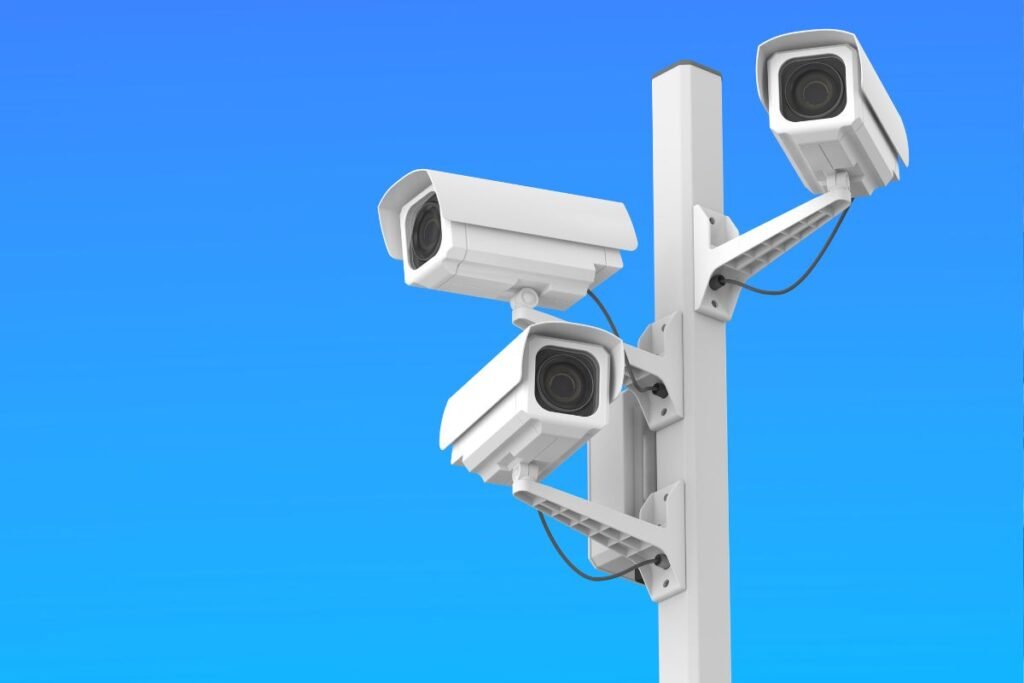
Security cameras remain the foundation of most surveillance systems. These cameras can be installed indoors or outdoors and may feature high-definition video, night vision capabilities, and weather-resistant designs. Security cameras are essential when trying to sell your vacant home.
Network Video Recorders (NVRs)
NVRs store and manage video footage captured by IP cameras. They allow property managers to review recordings, search for specific events, and maintain archives for future reference.
Cloud-Based Surveillance
Cloud technology enables video footage to be stored securely online. This approach reduces reliance on physical storage devices and allows authorized personnel to access recordings remotely.
Motion Detection Systems
Motion sensors automatically trigger recording when movement is detected. This feature reduces storage requirements and helps focus attention on potentially significant events.
Artificial Intelligence and Analytics
AI-powered surveillance systems can analyze video feeds in real time, identifying unusual behavior, unauthorized access, loitering, or potential security threats. These systems can generate alerts and help security personnel respond quickly.
Hidden Surveillance Cameras
Hidden surveillance cameras are discreet devices designed to monitor areas without drawing attention. They may be integrated into everyday objects or strategically concealed within property infrastructure. When used in accordance with privacy laws and ethical guidelines, hidden cameras can provide valuable insights into incidents that might otherwise go undetected.

Benefits of Surveillance Technology in Property Management
Enhanced Security
The primary benefit of surveillance technology is improved security. Continuous monitoring helps deter criminal behavior such as theft, vandalism, trespassing, and property damage. Potential offenders are less likely to engage in unlawful activities when they know surveillance systems are in place.
In situations where visible cameras may not be sufficient, hidden surveillance cameras can provide additional protection by capturing evidence without alerting offenders. This capability is particularly useful in cases involving repeated theft, employee misconduct, or suspicious activity.
Crime Prevention
Studies consistently show that surveillance systems contribute to crime reduction. Visible security measures create a perception of increased risk for criminals, encouraging them to avoid monitored properties.
Property managers can strategically position cameras at entrances, exits, parking lots, elevators, hallways, and common areas to maximize coverage. Advanced analytics can further enhance prevention efforts by identifying unusual patterns before incidents escalate.
Evidence Collection
When incidents occur, video footage serves as a valuable source of evidence. Recorded footage can assist law enforcement, insurance companies, legal teams, and property managers in determining what happened and who was involved.
Video evidence often provides an objective account of events, reducing disputes and supporting fair decision-making. In many cases, surveillance footage can help resolve conflicts quickly and efficiently.
Improved Tenant Safety
Tenant safety is a major factor influencing occupancy rates and tenant retention. Residents and commercial tenants are more likely to remain in properties where they feel secure.
Surveillance systems help create a safer environment by monitoring rental homes, common areas, parking facilities, entrances, and recreational spaces. Quick identification of security concerns allows property managers to take proactive measures before problems worsen.
Reduced Liability
Property owners may face legal liability for accidents, injuries, or criminal incidents occurring on their premises. Surveillance footage can help establish facts and clarify responsibility in disputed situations.
For example, video recordings can provide evidence related to slip-and-fall accidents, unauthorized access, workplace incidents, or tenant complaints. This documentation may help protect property owners from fraudulent claims and costly litigation.
Operational Efficiency
Beyond security, surveillance technology can improve operational efficiency. Property managers can monitor maintenance activities, contractor performance, delivery operations, and compliance with property policies.
Remote monitoring capabilities enable managers to oversee multiple properties from a centralized location, reducing travel requirements and improving resource allocation.
Applications of Surveillance Technology in Different Property Types
Residential Properties
Apartment complexes, condominiums, and housing communities benefit significantly from surveillance systems. Cameras can monitor:
- Building entrances and exits
- Parking areas
- Mailrooms and package delivery zones
- Recreation facilities
- Hallways and common spaces
These measures help prevent theft, unauthorized access, and vandalism while enhancing resident confidence.
Commercial Properties
Office buildings and business centers require robust security measures to protect employees, visitors, and sensitive information. Surveillance systems can monitor:
- Reception areas
- Parking garages
- Elevators
- Data centers
- Restricted access zones
Commercial property managers often integrate surveillance technology with access control systems to create layered security frameworks.
Retail Properties
Retail environments face unique challenges related to shoplifting, employee theft, and customer safety. Surveillance technology helps monitor sales floors, storage areas, cash registers, and entrances.
Advanced analytics can identify suspicious behavior, improve inventory protection, and support loss prevention initiatives.
Industrial Facilities
Warehouses, manufacturing plants, and logistics centers often contain valuable equipment and inventory. Surveillance systems help secure:
- Loading docks
- Storage facilities
- Production lines
- Perimeter boundaries
Remote monitoring enables managers to oversee large facilities efficiently while reducing security risks.
The Strategic Role of Hidden Surveillance Cameras
Hidden surveillance cameras occupy a unique position within property security strategies. While visible cameras serve as a deterrent, hidden cameras can capture activities that might cease if individuals become aware they are being monitored.
Detecting Internal Theft
Employee theft can significantly impact property operations and profitability. Hidden cameras may help identify unauthorized activities involving inventory, cash handling, or property assets.
Monitoring High-Risk Areas
Certain areas may experience recurring security issues despite visible surveillance. Hidden cameras can provide additional coverage and assist in identifying perpetrators.
Investigating Complaints
Property managers occasionally receive reports involving harassment, vandalism, unauthorized access, or policy violations. Hidden surveillance can help verify claims and gather objective evidence.
Protecting Vacant Properties
Vacant properties are often vulnerable to trespassing, vandalism, and theft. Hidden cameras can monitor these locations discreetly and provide alerts when suspicious activity occurs.
Legal and Ethical Considerations
While hidden surveillance cameras offer valuable benefits, their use must comply with applicable laws and regulations. Property managers must respect privacy rights and avoid monitoring areas where individuals have a reasonable expectation of privacy, such as bathrooms, locker rooms, or private living spaces.
Transparency, legal compliance, and ethical deployment are essential for maintaining trust and avoiding legal complications.
Integrating Surveillance with Smart Property Management
Modern property management increasingly relies on interconnected technologies. Surveillance systems can be integrated with:
Access Control Systems
Combining surveillance with electronic access control allows managers to verify who enters and exits specific areas. Video footage can be linked to access records for enhanced accountability.
Alarm Systems
Surveillance cameras can automatically activate recording when alarms are triggered, providing immediate visual confirmation of security incidents.
Building Automation Systems
Smart buildings often integrate surveillance technology with lighting, HVAC, and energy management systems. Automated responses can improve efficiency and security simultaneously.
Mobile Applications
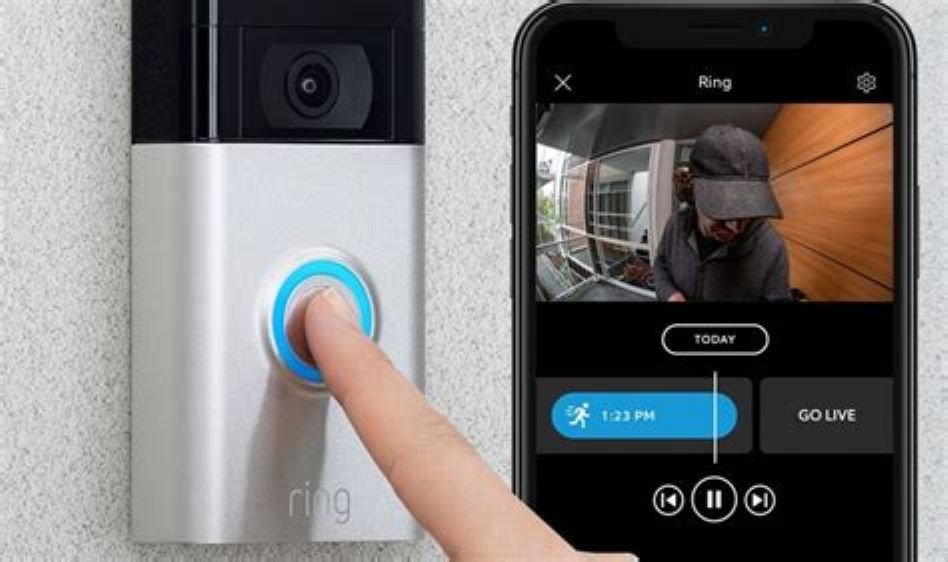
Property managers can access surveillance feeds through smartphones and tablets, enabling real-time monitoring regardless of location.
Challenges and Limitations
Despite its many advantages, surveillance technology is not without challenges.
Privacy Concerns
Tenants, employees, and visitors may have concerns about excessive monitoring. Property managers must balance security objectives with individual privacy rights.
Clear communication regarding surveillance policies can help address these concerns and promote transparency.
Cybersecurity Risks
As surveillance systems become increasingly connected, they may become targets for cyberattacks. Unauthorized access to camera feeds or stored footage can create significant security vulnerabilities.
Strong passwords, encryption, software updates, and secure network configurations are essential for protecting surveillance infrastructure.
Initial Costs
High-quality surveillance systems require investment in equipment, installation, software, and maintenance. However, these costs are often offset by reductions in theft, liability, and security incidents over time.
Data Management
Large surveillance networks generate substantial amounts of video data. Property managers must establish effective storage, retention, and retrieval policies to manage this information efficiently.
Best Practices for Implementing Surveillance Technology
To maximize effectiveness, property managers should follow several best practices:
Conduct a Security Assessment
A comprehensive security assessment helps identify vulnerabilities and determine where surveillance resources should be allocated.
Define Clear Objectives
Property managers should establish specific goals for surveillance systems, such as crime prevention, liability reduction, or operational monitoring.
Choose Appropriate Equipment
Selecting the right cameras, storage solutions, and analytics tools is critical for achieving desired outcomes.
Ensure Legal Compliance
All surveillance activities should comply with local, regional, and national regulations governing privacy and data protection.
Train Personnel
Employees responsible for managing surveillance systems should receive proper training in equipment operation, data security, and incident response procedures.
Regularly Review System Performance
Periodic evaluations help ensure surveillance systems remain effective and aligned with evolving security needs.
The Future of Surveillance Technology in Property Management
The future of surveillance technology is being shaped by rapid advancements in artificial intelligence, machine learning, and automation.
Predictive Analytics
Future systems will increasingly identify patterns that indicate potential security threats before incidents occur. Predictive analytics may allow property managers to take preventive action proactively.
Enhanced AI Recognition
AI systems will become more accurate in detecting suspicious behavior, identifying individuals, and analyzing complex environments.
Cloud Expansion
Cloud-based solutions will continue to grow, providing scalable storage and improved accessibility for property managers.
Smart City Integration
Surveillance systems may eventually integrate with broader smart-city infrastructure, enhancing coordination between private property owners and public safety agencies.
Autonomous Monitoring
Advanced AI systems may perform many monitoring tasks independently, reducing reliance on human operators and improving response times.
Conclusion: Surveillance technology is a strategic asset
Protecting property investments requires a proactive approach to security, risk management, and operational oversight. Surveillance technology has become an indispensable tool for property managers seeking to safeguard assets, enhance tenant safety, reduce liability, and improve efficiency.
From visible security cameras that deter criminal activity to hidden surveillance cameras that uncover concealed threats, modern surveillance solutions provide comprehensive protection for a wide range of property types. When integrated with smart building technologies and supported by responsible management practices, surveillance systems can significantly strengthen property security while delivering valuable operational insights.
As technology continues to evolve, surveillance solutions will become even more intelligent, connected, and effective. Property owners and managers who embrace these innovations will be better positioned to protect their investments, meet tenant expectations, and maintain a competitive advantage in an increasingly complex real estate landscape.
Ultimately, surveillance technology is not merely a security tool—it is a strategic asset that supports long-term property value, operational excellence, and peace of mind.
Safeguarding Your Investment: The Role of Surveillance Technology in Property Management | OutFactors – Dallas Fort Worth, TX