
Best Home Layouts for People Recovering from Injury or Surgery
Best Home Layouts for People Recovering from Injury or Surgery
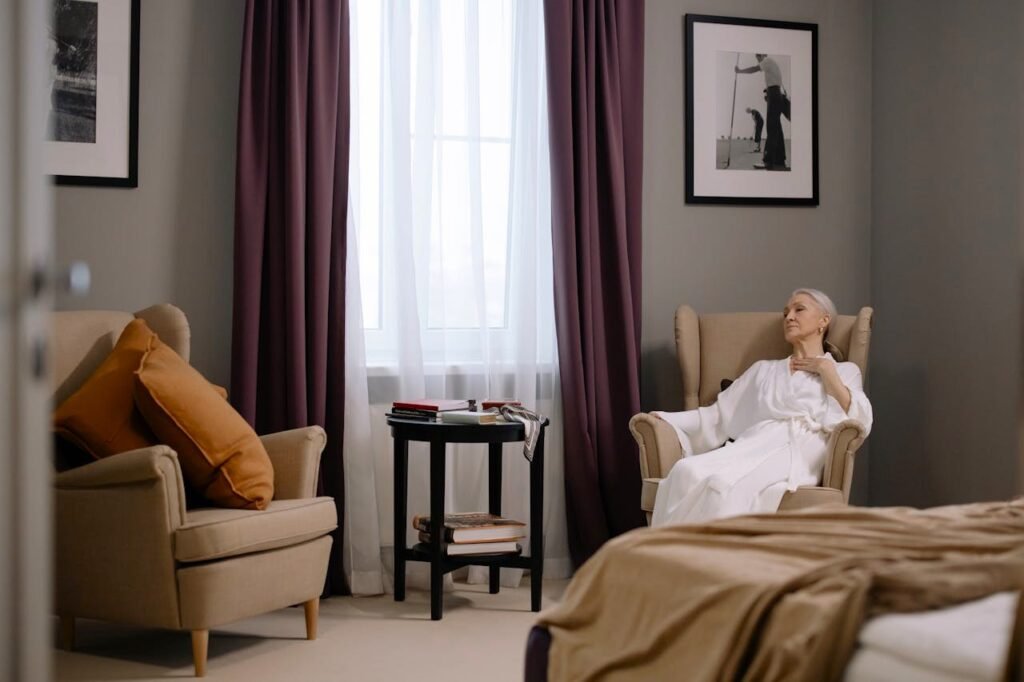
The Layout of Your Home Plays a Pivotal Role in Your Recovery
Recovering from an injury or surgery is a critical phase that requires more than just medical attention. The layout of your home plays a pivotal role in your recovery journey. A well-designed home environment can significantly enhance your comfort, promote healing, and reduce the risk of further complications. Even healthcare experts, including a chiropractor in Islamabad, emphasize how a supportive home setup can improve mobility and prevent unnecessary strain during recovery. Understanding how to adapt your living space can be the difference between a smooth recovery and a prolonged one.
When considering home modifications for recovery, it’s essential to evaluate your daily routines and the physical challenges you might face. This involves assessing the ease of movement within your home, the accessibility of essential items, and the overall safety of your environment. By doing so, you can identify potential obstacles and design your space to accommodate your specific needs, leading to a more efficient recovery process.
Moreover, a thoughtfully organized home can provide emotional comfort, reducing stress and anxiety often associated with recovery. A harmonious environment not only aids physical healing but also supports mental well-being, which is equally important during the recovery phase. By understanding the importance of your home’s layout, you can create a supportive and nurturing space that caters to all aspects of your recovery.
Key Principles of Designing for Comfort and Accessibility
Designing a home for comfort and accessibility involves several key principles that ensure safety, convenience, and ease of use. Firstly, minimizing obstacles is crucial. This means removing unnecessary furniture and clutter that could impede movement, especially for those using mobility aids such as wheelchairs, crutches, or walkers. For individuals managing conditions like insulin resistance, reducing physical strain and creating an easy-to-navigate environment becomes even more important for maintaining overall well-being.
Secondly, consider the accessibility of essential items. Ensure that frequently used items are within easy reach to avoid unnecessary strain or risk of injury. This might involve repositioning kitchen utensils, adjusting the height of furniture, or reorganizing storage spaces. The goal is to make everything as accessible as possible without the need for excessive bending, reaching, or lifting.
Lastly, focus on creating a sensory-friendly environment. This includes optimizing lighting, controlling noise levels, and ensuring comfortable room temperatures. Adequate lighting, for example, can prevent accidents and enhance mood, while a quiet environment can foster relaxation and promote healing. By adhering to these principles, you can transform your home into a sanctuary of comfort and accessibility, conducive to recovery. It is also important to understand how these changes might affect the desirability if you end up needing to sell your home fast.
Essential Features for Injury or Surgery Recovery Environments
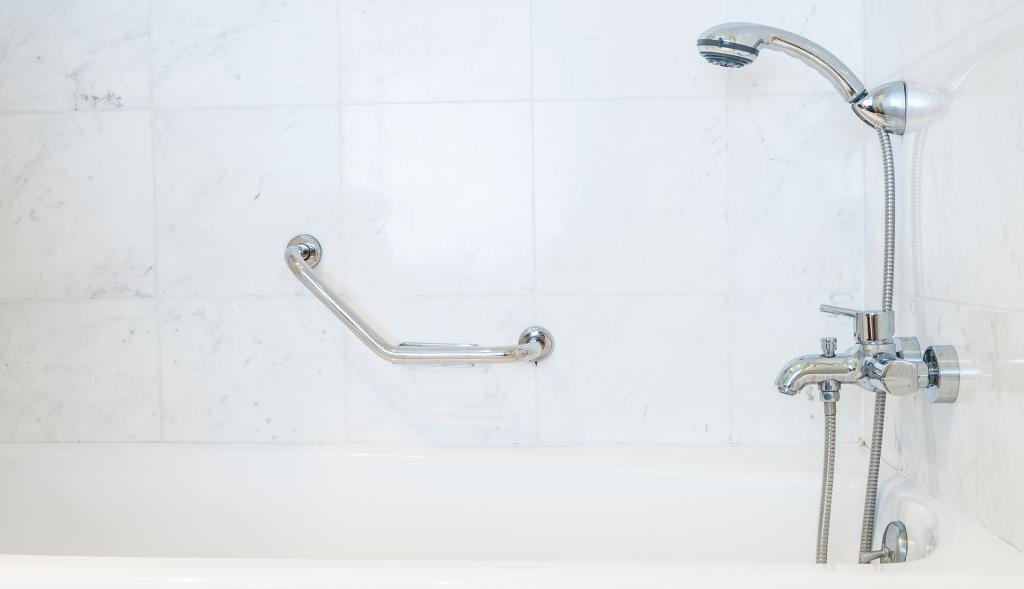
Creating an effective recovery environment requires incorporating essential features that support healing and comfort. One of the most important features to consider is mobility aids and support systems. Installing grab bars in bathrooms, using non-slip mats, and having handrails along staircases can significantly enhance safety and mobility. These adjustments not only support immediate recovery but also contribute to long-term goals such as improved strength and overall body transformation.
Another vital feature is adjustable furniture. Recliners, hospital beds, or chairs with adjustable heights can cater to varying comfort levels and physical needs. These pieces of furniture can provide the necessary support for different postures and movements, reducing discomfort and facilitating rest.
Additionally, having a communication system in place is crucial. Whether it’s a mobile phone, intercom, or emergency alert system, ensuring you can easily reach out for assistance when needed is vital. These features collectively create a supportive environment that prioritizes your safety and comfort during recovery.
Room-by-Room Guide to Optimal Home Layouts
Living Room
In the living room, prioritize open space to facilitate movement. Arrange seating to allow easy access without the need to maneuver around obstacles. Consider placing a sturdy coffee table within easy reach to keep essential items like medication, water, and remote controls close by.
Kitchen
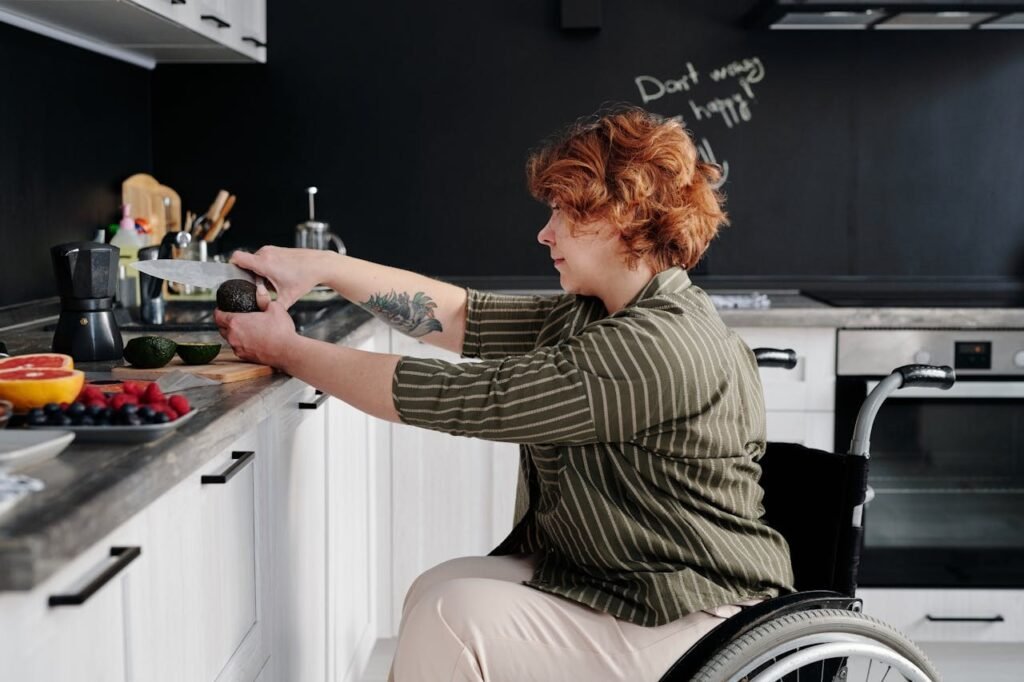
In the kitchen, ensure countertops and frequently used appliances are at a convenient height. Use pull-out shelves and lazy Susans for easy access to kitchen items without excessive bending or reaching. Consider a stool for seated meal preparation if standing is challenging.
Bedroom
For the bedroom, focus on the bed’s accessibility. Ensure the bed height allows for easy transfer in and out, and place essential items such as a phone, water, and medication on a bedside table. Consider blackout curtains to improve sleep quality, which is crucial for recovery.
Bathroom
In the bathroom, install grab bars and consider a walk-in shower with a shower chair for safety. Use non-slip mats to prevent falls, and place toiletries within easy reach. If possible, adjust the toilet height and install a raised toilet seat for added convenience.
By addressing each room’s specific needs, you can create a cohesive home layout that supports your recovery process and will be attractive to future home buyers.
The Role of Natural Light and Ventilation in Recovery
Natural light and ventilation are often underrated aspects of recovery environments but play a significant role in promoting health and well-being. Exposure to natural light can regulate your circadian rhythm, improve mood, and enhance vitamin D synthesis, all of which are beneficial for recovery.
Good ventilation is equally important as it ensures a supply of fresh air, reducing indoor pollutants and allergens that could compromise your health. Proper air circulation can also help control humidity levels, preventing mold growth which can adversely affect respiratory health.
To maximize these benefits, position furniture to allow ample sunlight into living areas, and use curtains or blinds to control glare. Open windows regularly to promote air exchange or use fans and air purifiers for enhanced air quality. By prioritizing natural light and ventilation, you create a healthier and more invigorating recovery environment and enhance the value of the home.
Furniture Arrangements that Promote Healing
Strategically arranging furniture can significantly impact your recovery process. The goal is to create a layout that facilitates easy movement, reduces the risk of accidents, and provides comfort. Start by ensuring clear pathways throughout your home, allowing for unobstructed movement.
Consider multi-functional furniture that can adapt to your changing needs. For example, ottomans can serve as footrests or additional seating, while foldable tables can be stored away when not in use to save space. Additionally, arrange furniture to maximize support and minimize strain, ensuring chairs and sofas provide adequate lumbar support.
Incorporating ergonomic designs can also enhance comfort. Position seating to encourage good posture and align workstations to prevent strain on your neck and back. Thoughtful furniture arrangements can create a supportive environment that promotes healing and well-being.
Technology and Tools for Enhanced Accessibility
Technology can greatly enhance accessibility and convenience during recovery. Smart home devices, such as voice-activated assistants, can control lighting, temperature, and entertainment systems without the need for physical movement. This is particularly beneficial for modernizing a home and making it attractive to future home buyers and real estate investors.
Assistive technology, such as automated door openers and stair lifts, can further improve accessibility. Consider using apps and devices that monitor health metrics like heart rate and sleep patterns to provide insights into your recovery progress.
Additionally, digital communication tools can keep you connected with healthcare providers, family, and friends, providing emotional support and ensuring you have access to necessary medical advice. By integrating technology into your home, you can create a more accessible and supportive recovery environment.
Creating a Safe Environment: Tips for Preventing Accidents
Creating a safe environment is paramount to preventing accidents during recovery. Start by identifying and mitigating potential hazards. Ensure all walkways are clear of clutter and secure loose rugs with non-slip pads to prevent trips and falls.
Install adequate lighting in all areas, especially staircases and entryways, to avoid accidents in low-light conditions. Consider using motion-sensor lights for convenience and safety. Additionally, check that all electrical cords are tucked away safely to avoid trips.
Regularly inspect the condition of mobility aids and ensure they are in good working order. Keep emergency contacts readily accessible, and consider a personal emergency response system for peace of mind. By taking these precautions, you create a safer environment that minimizes the risk of accidents and supports your recovery.
The Psychological Impact of Home Layout on Recovery
The psychological impact of your home layout on recovery is profound. A well-organized and aesthetically pleasing environment can uplift your spirits, reduce stress, and promote a positive mindset, all of which are critical for effective recovery.
Color schemes can influence mood; calming colors such as blues and greens can create a serene atmosphere, while warm colors can energize and motivate. Incorporating personal touches, such as photos or artwork, can also foster a sense of familiarity and comfort, aiding emotional well-being.
Moreover, having a space that promotes social interaction can prevent feelings of isolation. Arrange seating to encourage conversations and create inviting spaces for visits from friends and family. By considering the psychological aspects of your home layout, you enhance the overall recovery experience, supporting both physical and mental health.
Conclusion: Designing a Home that Aids Recovery
Designing a home that aids recovery involves a holistic approach that considers comfort, accessibility, safety, and emotional well-being. By understanding the importance of your home environment and implementing key design principles, you can create a space that significantly enhances your recovery journey.
From optimizing room layouts to incorporating technology and ensuring safety, each element plays a vital role in supporting your healing process. Remember, your home is more than just a physical space; it’s a sanctuary that can nurture your recovery and well-being.
Best Home Layouts for People Recovering from Injury or Surgery | OutFactors – Dallas Fort Worth, TX